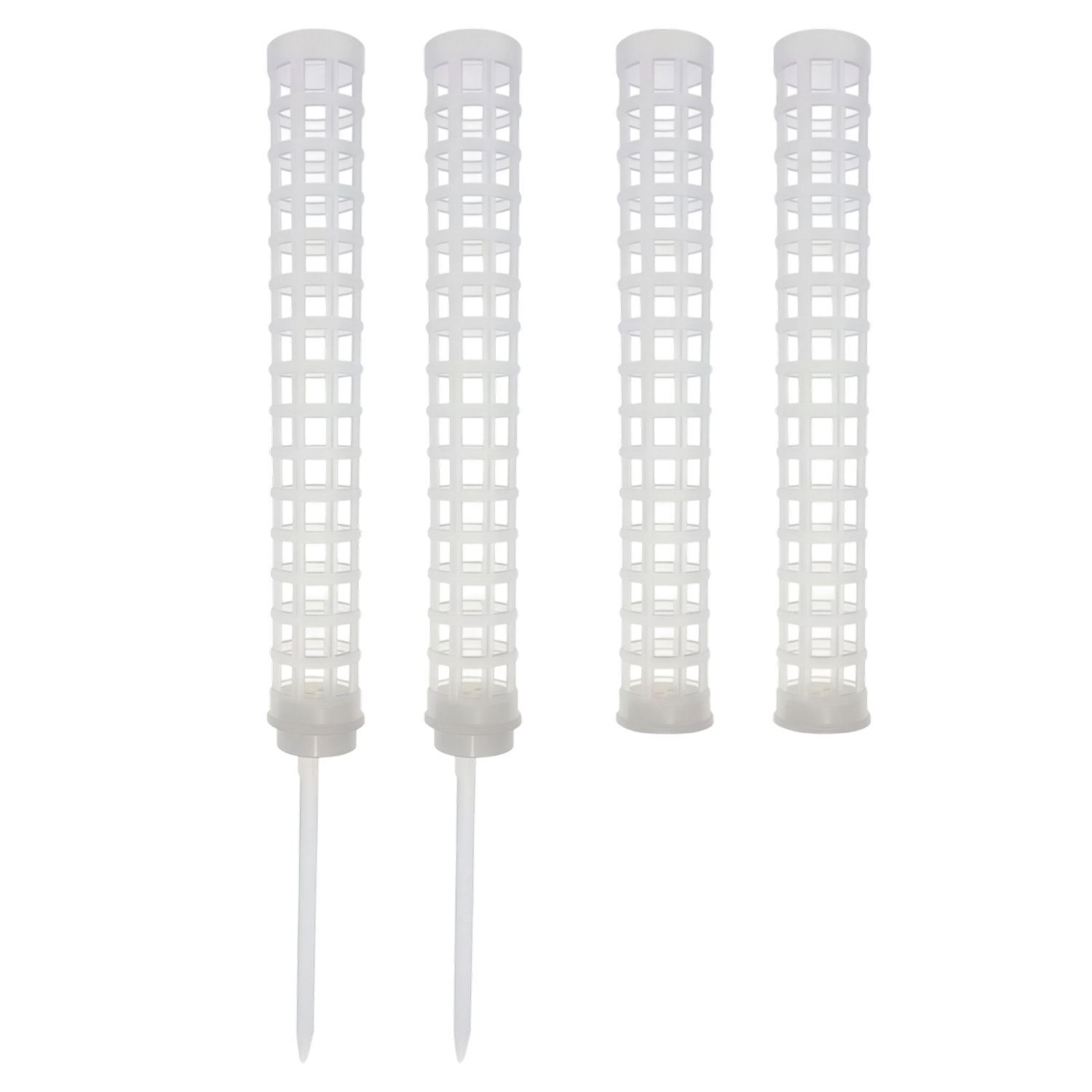
TrellisRise™ plant climbing pole
How the pole supports a climbing plant
Stackable sections
A vine that outgrows its support usually means pulling it off and starting over. Here you snap a new section onto the top, so the roots already on the pole stay where they are and no tools are needed.
Open lattice walls
Wrapped moss poles can hold damp air against stems and roots. The open lattice lets air move through, so the stems and roots are not sealed in a wet wrap, which helps with mold and gnat worries.
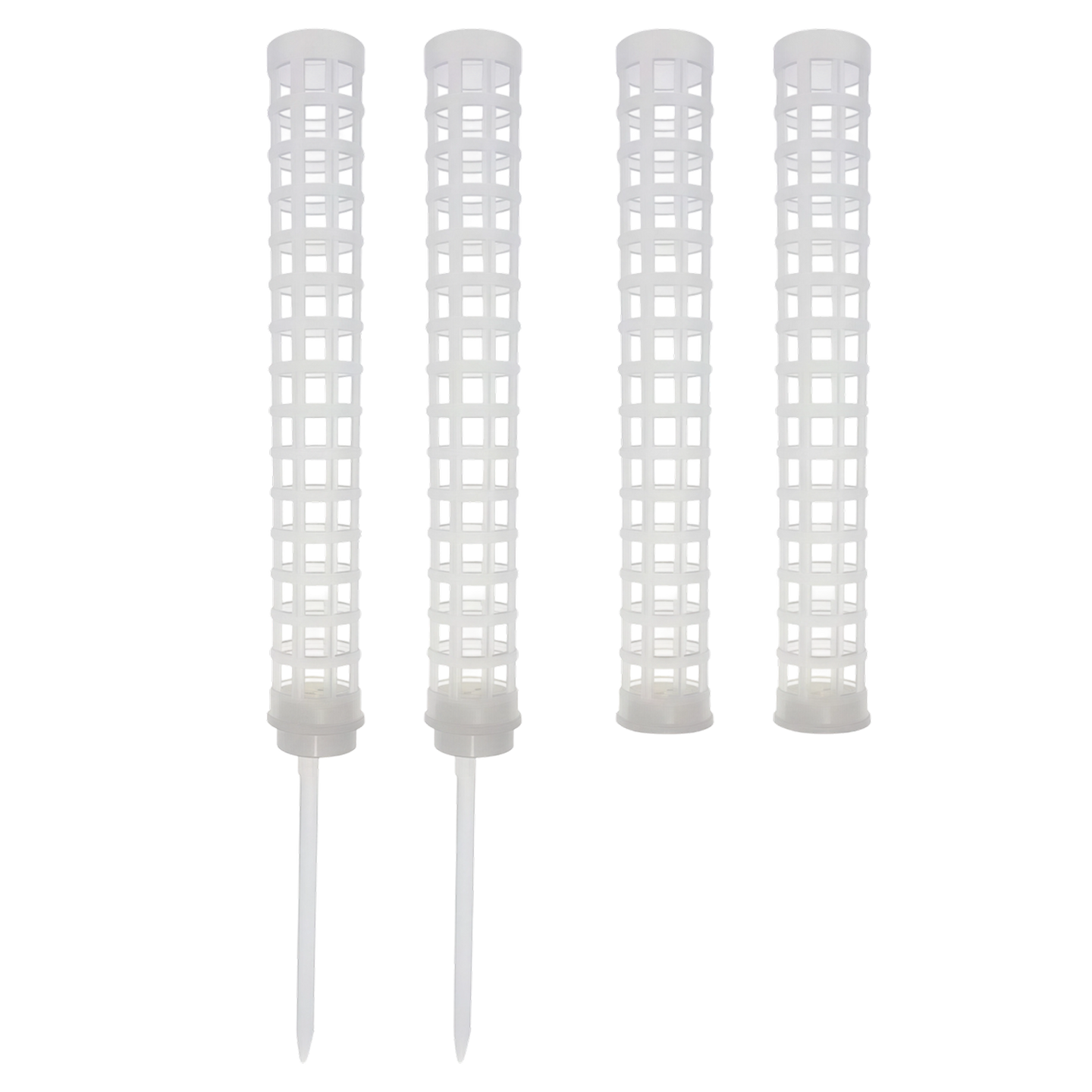
Hollow fill core
Aerial roots need something to hold on to. The hollow core takes damp moss, soil or another substrate of your choice, giving roots a surface to grip while you keep the fill moist.
Plastic construction
Natural fiber poles can break down in constantly damp pots. This pole is corrosion-proof plastic, so the frame does not rot or crumble the way an organic moss pole can.
Frequently Asked Questions
Ready to make it yours?
Get TrellisRise at today's price with your free gift included — and a full 90 days to enjoy it.
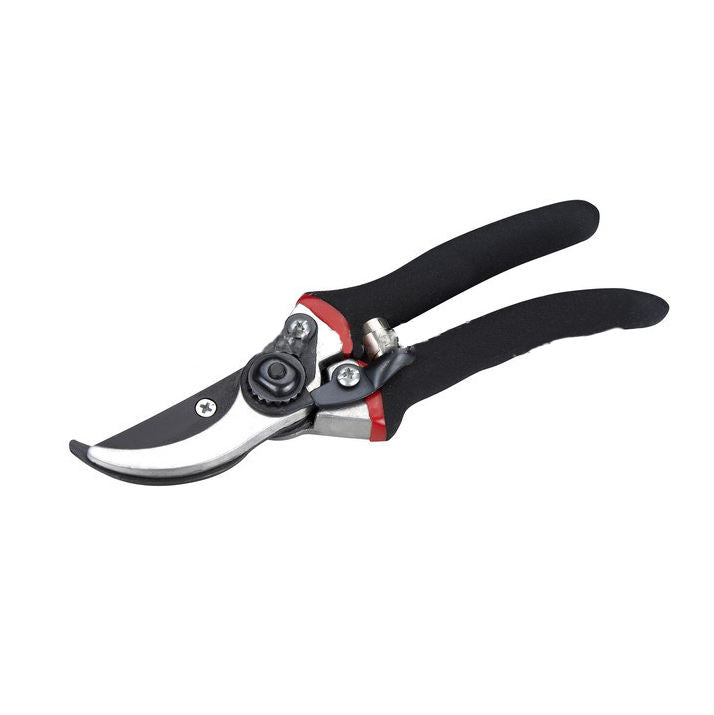 Your free gift: Free Gift - Garden Pruning ShearsFREE
 Tracked ShippingTracked Shipping
TrellisRise: A Stackable Plant Climbing Pole for Vines
A vine that outgrows its support usually gets tied to a stake or a short moss pole that has to be swapped out as it climbs. A plant climbing pole built from stackable sections keeps the same base in the pot.
TrellisRise snaps together without tools, so a new section goes on when the vine reaches the top and the roots already holding on stay in place. The hollow core takes damp moss, soil or another substrate for aerial roots to grip. Open lattice walls leave air around the stems.
It works as a monstera climbing pole, a pothos climbing pole or support for philodendron. A fiberglass-reinforced spike goes into the soil beside the plant as an anchor.
- Snap-on sections extend the height
- Plastic frame with open lattice
- 2-piece set to start