
Why Cordless Vacuums Lose Suction (and the 10-Minute Fix)
Nine times out of ten, a 'dying' cordless stick vacuum is a clogged filter or a wrapped brush roll, not a dying motor. A maintenance routine that takes ten minutes a month keeps airflow like new.

Nathan Pierce
August 2, 2026 · 5 min read
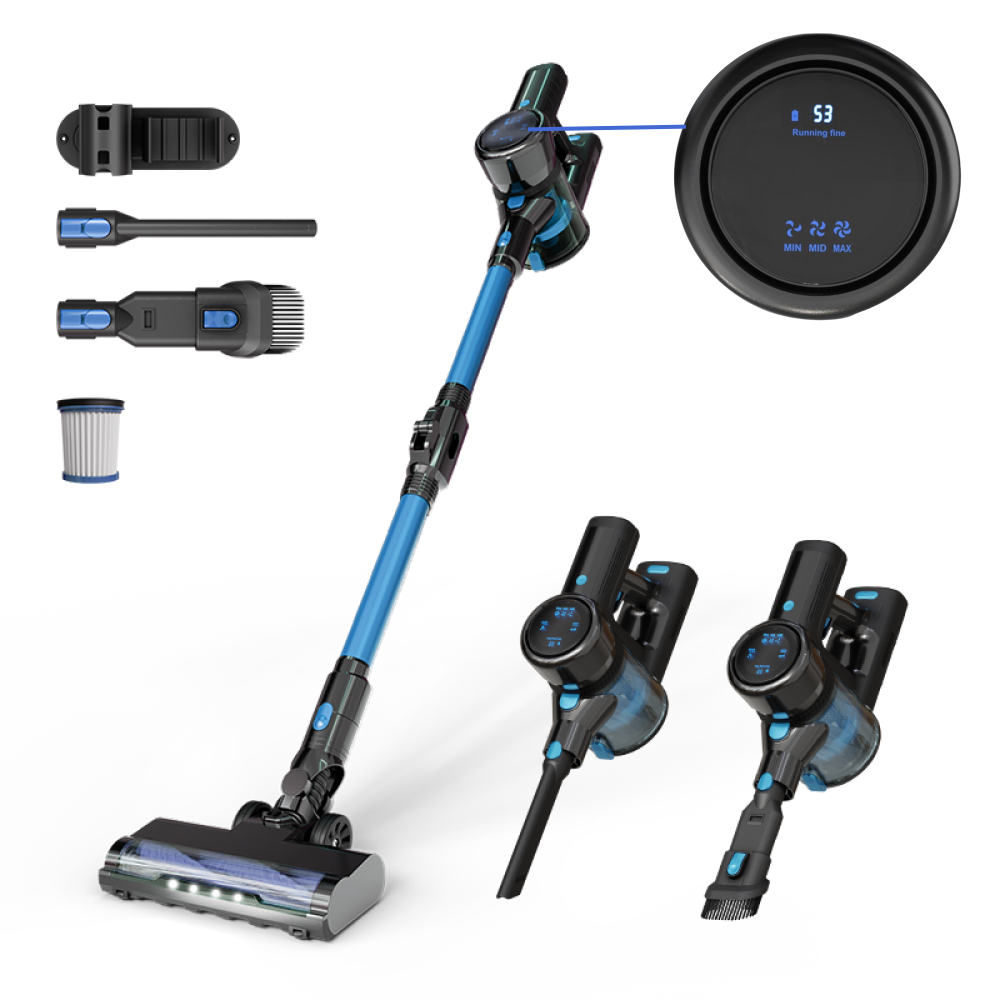
Cordless vacuums live and die by airflow. The motor spins the same speed on day 300 as day 3 — what changes is how much air can actually move through the filters, the bin, and the brush head. Restore the airflow and you restore the vacuum.
The 10-minute monthly routine
- Empty the bin OUTSIDE at the halfway mark, not when it is packed — compacted dust chokes the cyclone.
- Tap the pre-motor filter clean every week of daily use; rinse it monthly and let it dry a full 24 hours before reinstalling. A damp filter is the number-one killer of suction and motors.
- Cut wrapped hair off the brush roll with scissors along the roll's groove — a wrapped roll can halve pickup on carpet.
- Check the wand and floor-head neck for blockages: drop a coin through the wand; if it does not fall freely, find the clog.
Battery habits that double lifespan
Lithium packs age fastest sitting at 100% charge in a hot garage. If your vacuum will sit unused for weeks, store it around half charge and indoors. Run the battery to empty only when you actually need max runtime — routine deep discharges wear cells faster than partial top-ups.
Field note
If suction drops sharply right after a bin empty, the pre-motor filter is loaded. If it drops gradually over weeks, check the brush roll and the floor-head neck first.
When it IS the vacuum
Multi-stage filtration, a washable filter you can actually buy spares for, and a brush roll that unclips without tools are what make the routine above painless. Those three criteria drove which cordless we chose to stock.
Tested pickAeroVault$199.99View