How Deep to Plant Potatoes in Beds, Rows and Containers
Plant seed potatoes about 4 inches deep in the ground, then hill soil around the stems as they grow. This guide gives depth and spacing for rows, raised beds and containers.
The Cobalt Hollow Team
November 14, 2026 · 6 min read
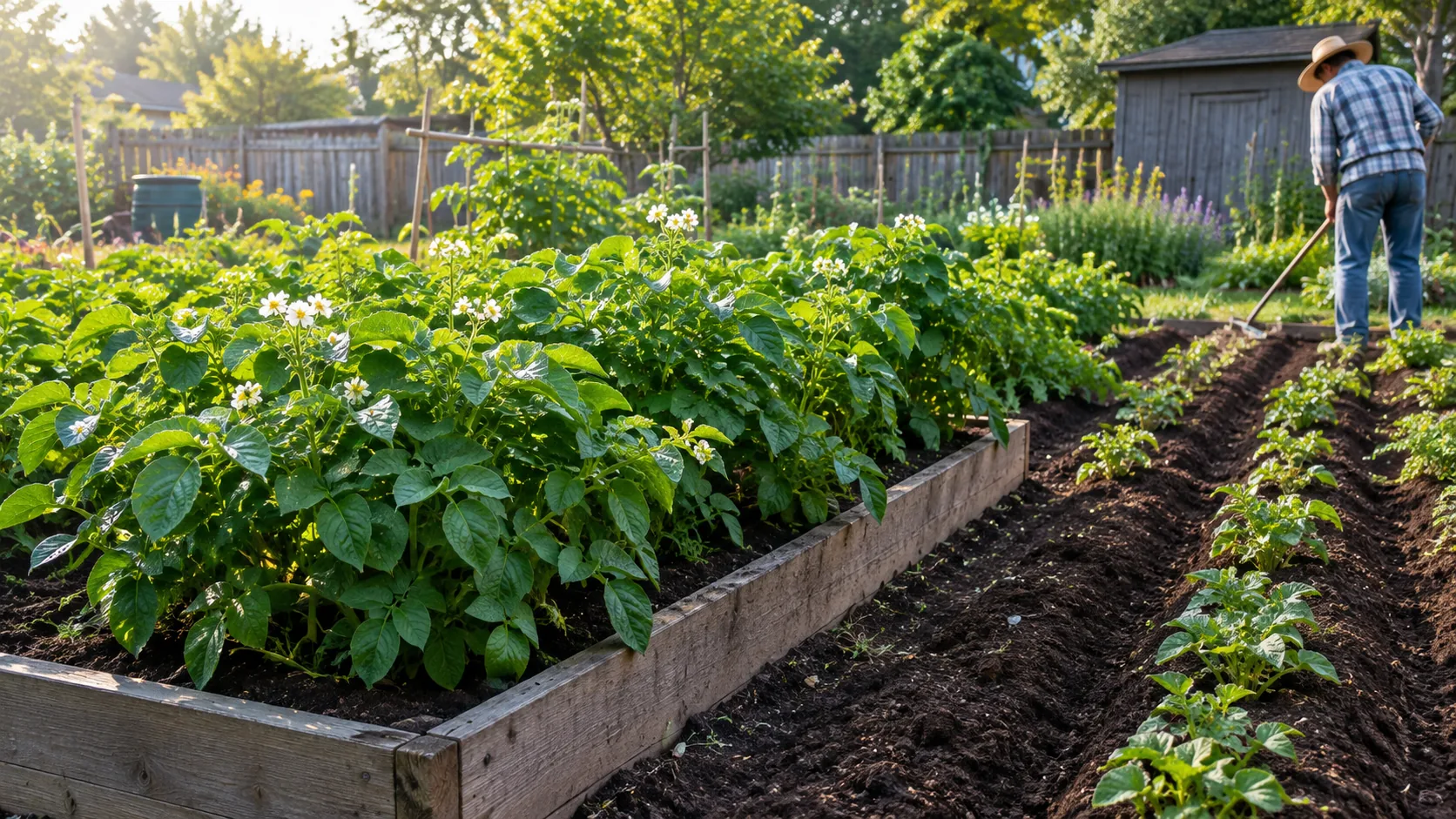
How deep to plant potatoes: set seed potatoes about 4 inches deep, cut side down or with the sprouts pointing up, in loose soil. In containers, start with a shallower layer of soil and add more as the stems grow. Spacing, soil pH and hilling decide how well the plants fill out, so this guide covers each method in turn.
Use the table below to find your setup, then follow the soil prep and hilling steps.
Planting depth and spacing by method
| Method | Starting depth of seed piece | Spacing | Hilling |
|---|---|---|---|
| In-ground rows | 4 inches | 12 inches apart in the row, rows 30 to 36 inches apart | Mound soil from the aisles onto the row |
| Raised bed | 4 inches | 12 inches in every direction | Add loose soil or compost from the bed edges, or add fresh soil on top |
| 5-gallon bucket | Place on 4 inches of soil, cover with 3 to 4 inches | 2 to 3 seed pieces per bucket | Add soil as stems grow until 1 to 2 inches below the rim |
| Grow bag | Place on 4 inches of soil, cover with 3 to 4 inches | Follow the bag size: fewer pieces in small bags | Unroll the bag sides and add soil in layers |
The numbers are starting points. Small seed potatoes and heavy clay soil call for the shallow end of the range; loose, sandy soil handles the full 4 inches.
Why depth matters
Potatoes form on the underground part of the stem, not on the roots. Planting at 4 inches gives the stem room to branch, and hilling later adds more buried stem. Tubers that sit near the surface and see light turn green, so keep them covered.
Choose and prep seed potatoes
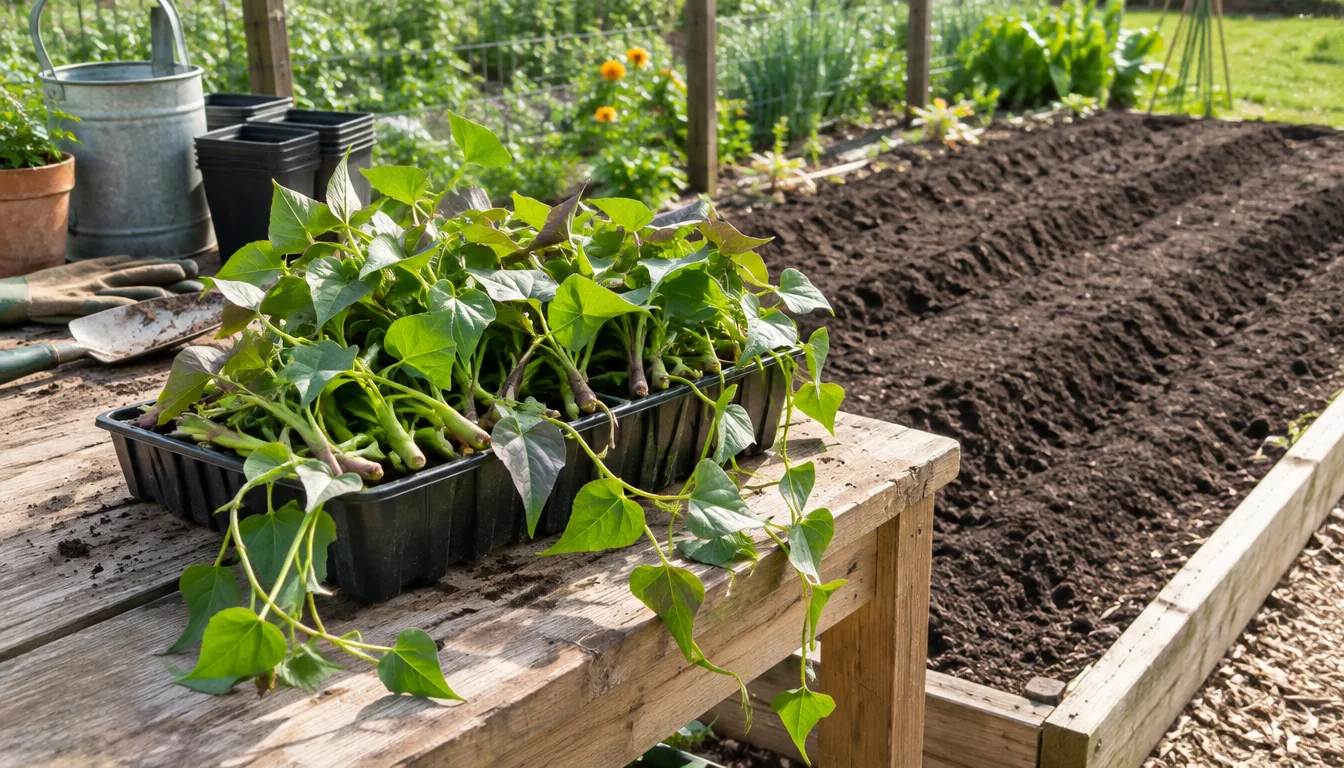
Buy seed potatoes from a garden center rather than planting grocery store potatoes, which may have been sprayed to hold back sprouting. Seed potatoes about the size of an egg can go in whole. Cut larger ones into pieces with at least two eyes each, then leave the cut surfaces out until they are dry and callused before planting.
You can set the pieces in a bright, cool spot to chit first: short, sturdy sprouts a half inch long are enough. Skip this step if the pieces are already sprouting.
Soil prep and the right pH
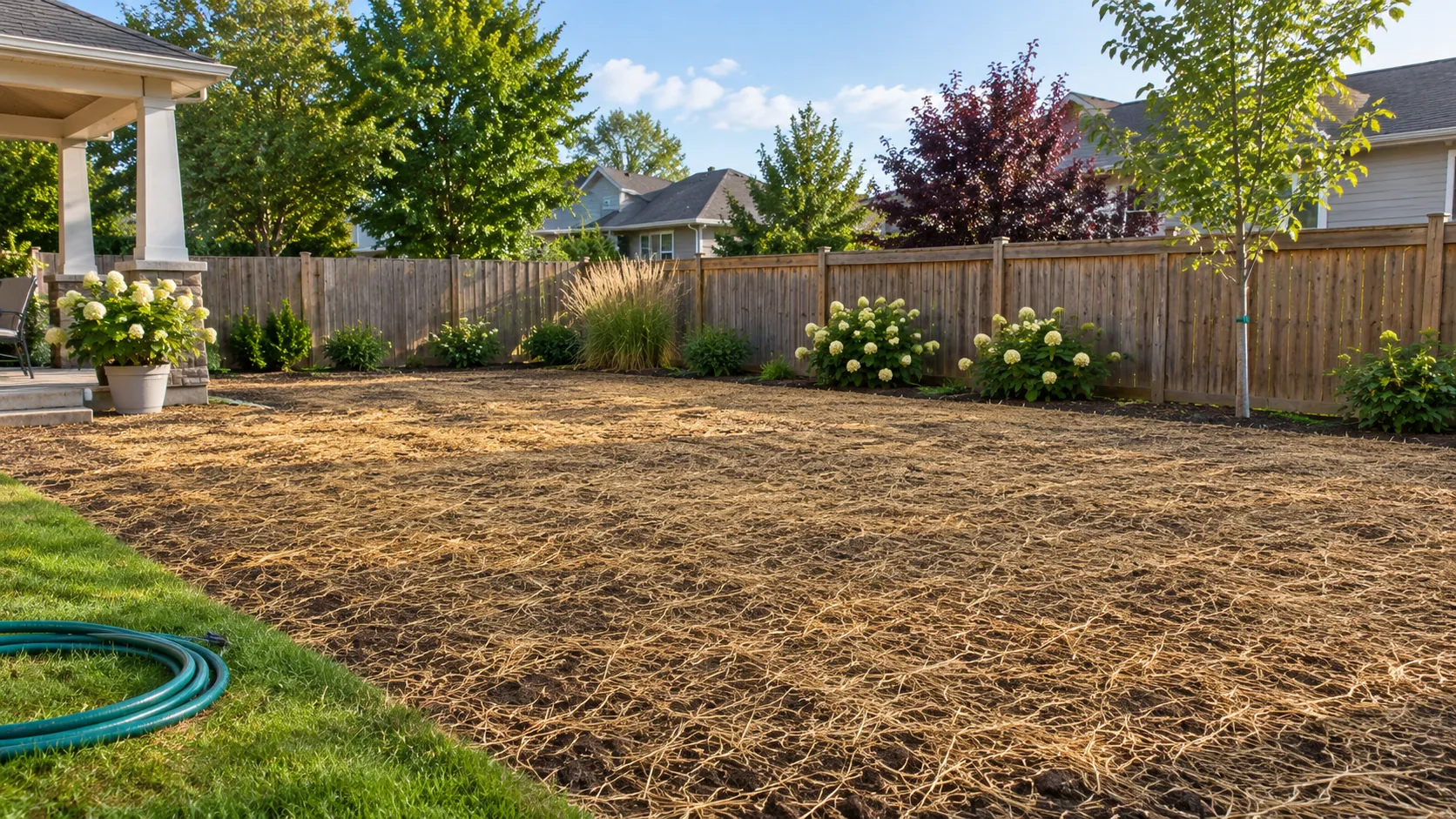
Potatoes grow in loose, well-drained soil. Compact ground makes tubers small and misshapen, so loosen the planting zone to at least 8 to 12 inches before you plant. Work in compost, but avoid fresh manure and heavy nitrogen, which push leafy growth over tubers.
A soil pH of roughly 5.0 to 6.5 suits potatoes. Measure before you add lime or sulfur. A digital pen such as RootGauge reads pH to 0.1 and also shows moisture, light and soil temperature, so one tool covers several checks. It comes with pH 4.01 and 7.00 buffer powders for two-point calibration; mix them with distilled water and calibrate before taking readings. Push the probe 2 to 3 inches into moist soil at the root zone, and recalibrate at the start of the season.
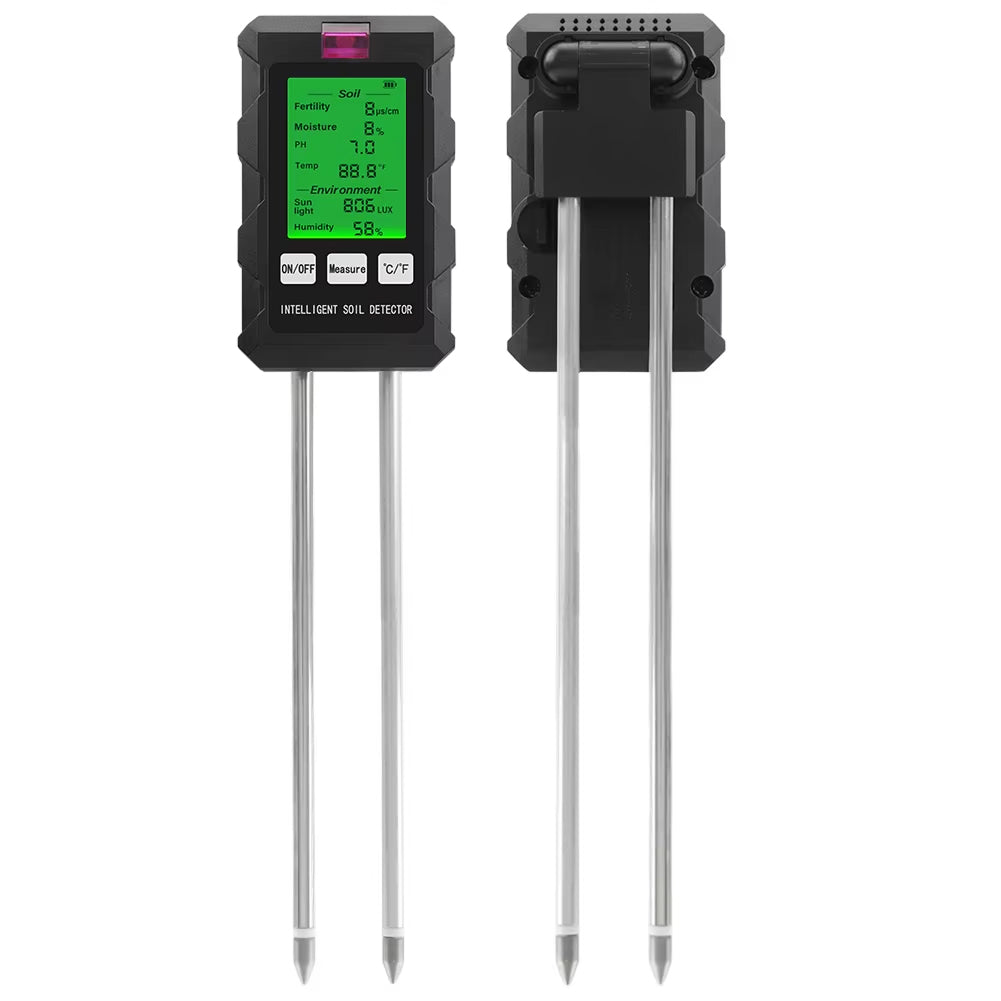 In this guideRootGauge$89.99View
Loosening a bed with an electric tiller
If the bed is compacted or has not been dug in years, a tiller does the loosening. TorqueTill is a corded electric tiller with a 1200W motor and four angled steel tines with 8 inch blades. It works to a depth of 9 inches, which covers much of the planting zone for rows and raised beds. Make passes across the bed until the soil is loose and crumbly. Follow the instruction manual, keep the cord clipped to the handle hook and clamps, and unplug the tiller before clearing the tines.
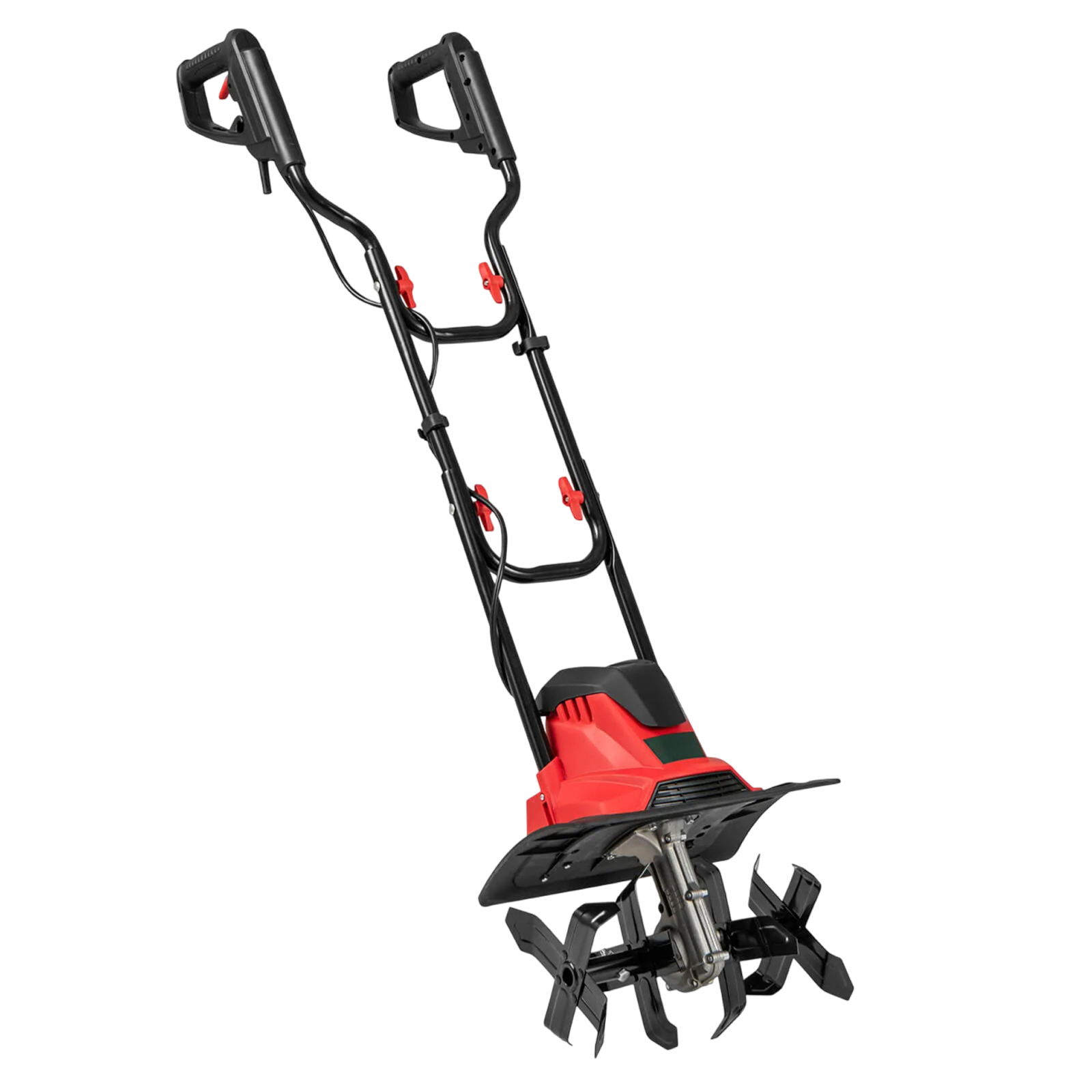 In this guideTorqueTill$289.99View
Step-by-step planting in the ground
- Wait until the soil has warmed and the ground can be worked without clumping in your hand. Soil temperature is one of the readings a pen like RootGauge shows.
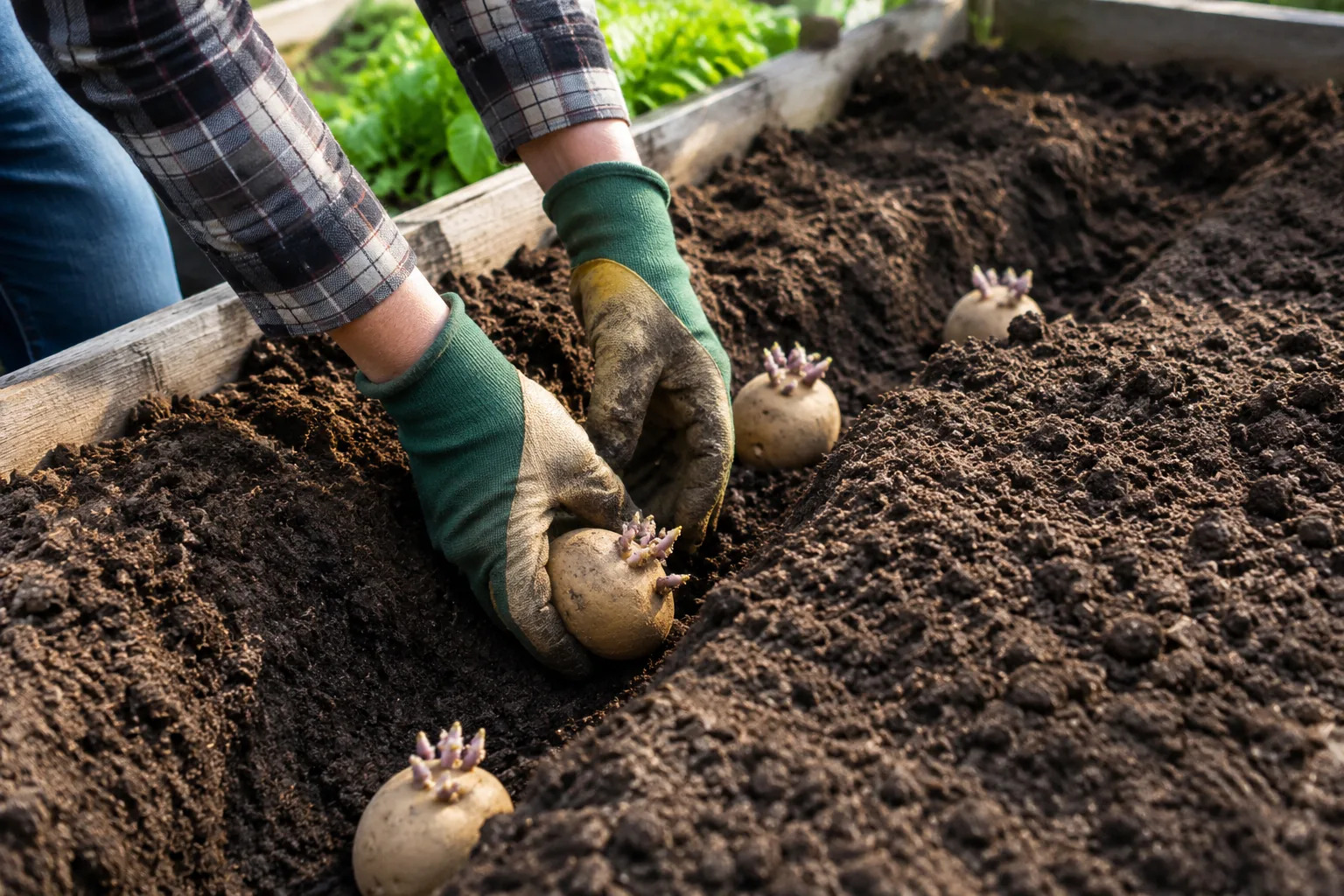
- Dig a trench 4 inches deep, or individual holes of the same depth.
- Place seed pieces 12 inches apart with the eyes or sprouts facing up.
- Fill the trench and water in. Keep the soil evenly moist, not soggy.
- Mark the row so you know where to hill later.
Planting in raised beds
Raised beds drain well and warm early, which suits potatoes. Plant at the same 4 inch depth and 12 inch grid. Leave at least 10 to 12 inches of loose soil under the seed pieces if the bed sits on hard ground.
Because the bed edges limit how much soil you can pull in, plan headroom. Fill the bed to about 4 inches below the rim at planting so there is space to hill with added soil or compost later.
How deep to plant potatoes in containers and grow bags
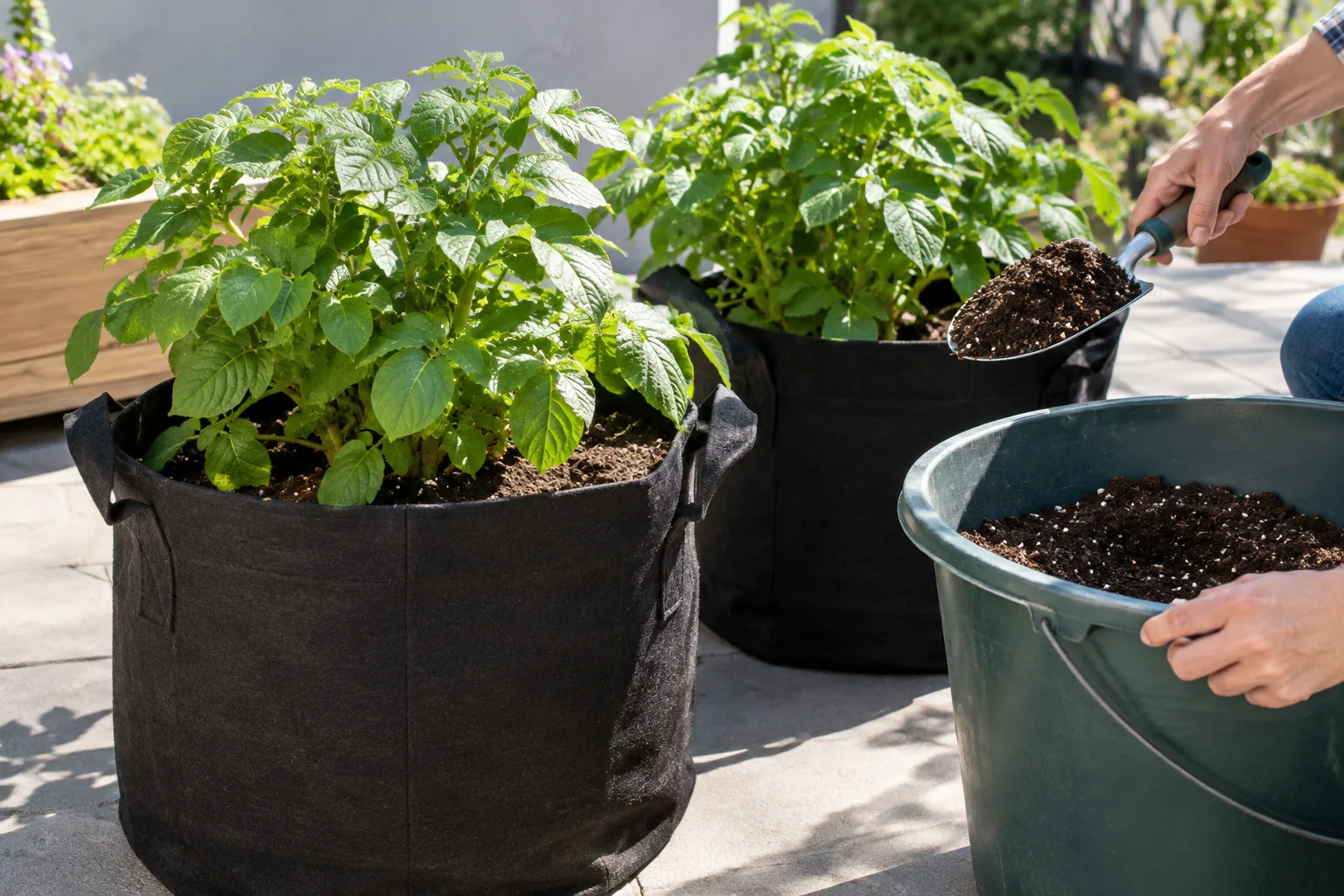
Containers use the layering method. Put 4 inches of moist potting mix in the bottom, set the seed pieces on top, and cover with 3 to 4 inches. Drainage holes are a must.
When the shoots reach about 6 inches, add more mix until only the top few leaves show. Repeat until the mix sits 1 to 2 inches below the rim. For bag sizing, filling and watering, see Grow Bags: Choosing a Size, Filling Them and Watering Right.
How many potatoes will a 5-gallon bucket produce?
Plant 2 to 3 seed pieces in a 5-gallon bucket. The harvest count depends on the variety, water, sun and feeding, so no single number fits every bucket. Smaller potatoes the size of a golf ball are normal in containers, and a crowded bucket gives more small tubers rather than larger ones.
Common container problems
- Soggy mix: drill extra drainage holes and let the top inch dry between waterings.
- Wilting on hot days: containers dry out often, so check moisture daily.
- Green tubers: cover them with more mix.
- Few tubers: the container was too small or sat in shade.
Field note
Mark your bucket or bag at 4 inches and at the rim-minus-2-inches line with a strip of tape so you know how much soil each layer needs.
Hilling schedule
Hilling means covering the lower stem with soil so more tubers form and the existing ones stay in the dark. Use this schedule.
| Stage | Plant height above soil | Action |
|---|---|---|
| First hilling | 6 to 8 inches | Pull or add soil so only the top 2 to 3 inches of foliage shows |
| Second hilling | Again 6 to 8 inches above the new soil line | Repeat, making the mound wider at the base |
| Final hilling | Before flowering | Top up any exposed spots; in containers, finish at 1 to 2 inches below the rim |
Water the soil consistently, since uneven moisture can crack tubers. Keep the leaves dry when you can.
Can you plant potatoes in October?
It depends on your winter. In regions with mild or frost-free winters, fall planting is possible, and seed potatoes can go in now. Where frost arrives in the next few weeks, the foliage will die before tubers form, so wait until spring when the soil has warmed. Container plantings can move indoors or to a sheltered spot, but they need strong light.
Harvest and storage
New potatoes can be dug after the plants flower. For storage potatoes, wait until the foliage yellows and dies back, then leave the tubers in the ground a little longer so the skins set. Dig with a fork placed well away from the plant.
- Brush off loose soil; do not wash them.
- Let the skins firm up in a dark, humid, cool spot until they feel dry and tough.
- Move them to a cool, dark, ventilated place in a paper bag or crate.
- Check often and remove any soft or sprouting potatoes.
Keep potatoes out of light, since green skin means the tuber should be trimmed or discarded. For more soil and weather tools, browse Weather Stations, Soil & Outdoor Protection.