Grow Bags: Choosing a Size, Filling Them and Watering
Grow bags are breathable fabric containers. Match the gallon size to the crop, fill with loose potting mix, check pH, water on a schedule, then wash and store them.
The Cobalt Hollow Team
October 24, 2026 · 6 min read · Updated October 28, 2026
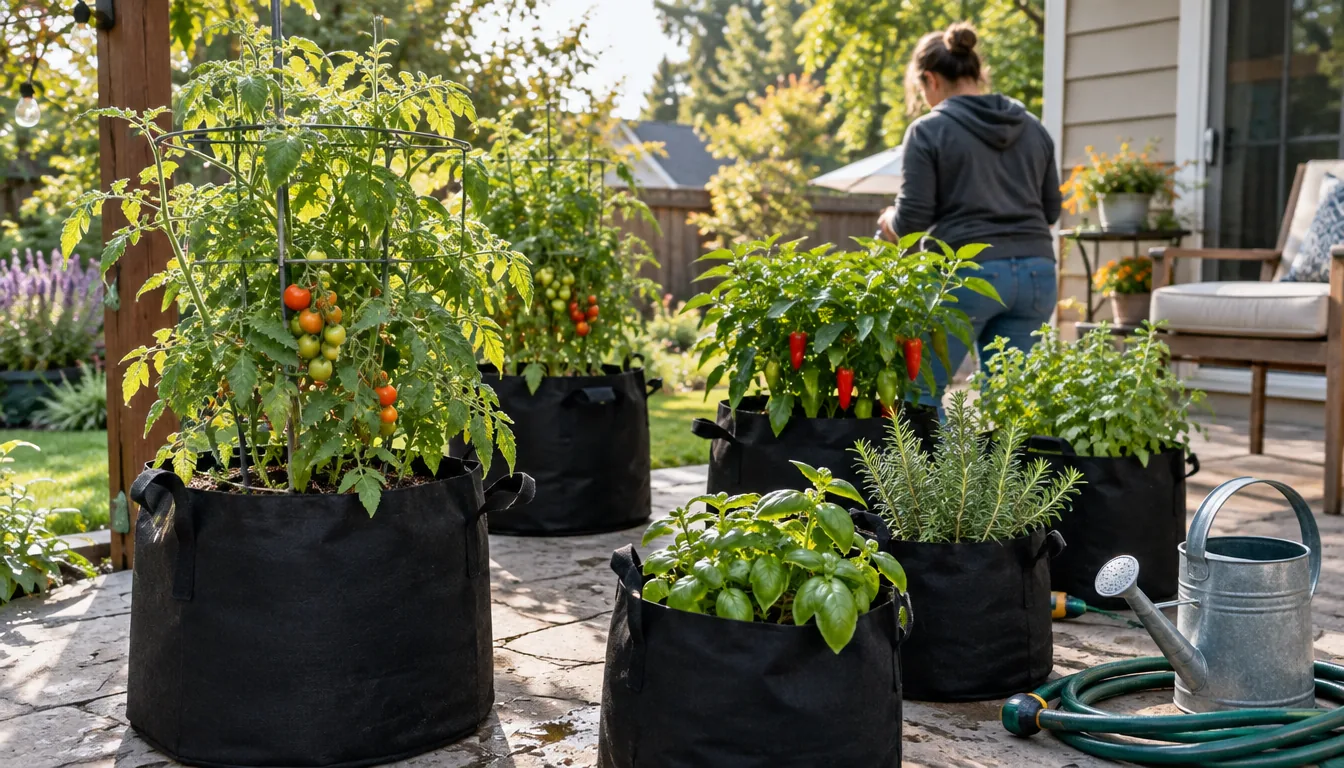
Grow bags are soft-sided fabric containers that hold potting mix and let air and excess water pass through the walls. Pick the size by the crop (about 1 to 3 gallons for herbs, 10 to 15 gallons for tomatoes and potatoes), fill with loose, well-draining mix, and water on a steady schedule. This guide gives you a size table, a fill-mix list, a pH check, a watering plan and an end-of-season routine.
What is in a grow bag and how it works
A bag is just a fabric shell, usually felt or woven cloth, with a flat bottom and often two handles. Everything else is what you add: a potting mix, some compost and a plant. The breathable walls support air pruning, where roots reaching the fabric edge slow down instead of circling the way they can in plastic pots.
The fabric also lets excess water escape through the sides as well as the bottom. That makes the bags forgiving of heavy hands with a hose, but it also means they can dry out quickly on hot days, so the watering section below matters.
Because they are light and fold flat, the bags work on patios, driveways, rooftops and over a poor-soil spot where a raised bed is not an option.
Choosing grow bags by crop and size
Bag sizes are listed in gallons of soil. A larger volume holds more moisture between waterings and gives a bigger root system room, while a small bag suits a shallow-rooted plant. Use the table as a starting point and check your seed packet or plant tag for spacing.
| Crop | Bag size | Plants per bag |
|---|---|---|
| Basil, parsley, chives, other herbs | 1 to 3 gallons | 1 per bag, or a mix of small herbs in 5 gallons |
| Lettuce and leafy greens | 2 to 5 gallons | 2 to 4 small plants |
| Peppers, eggplant, bush beans | 5 gallons | 1 pepper or eggplant, a few beans |
| Carrots, beets, radishes (root crops) | 5 to 7 gallons | Sown thinly across the surface |
| Determinate tomatoes, cucumbers, squash | 10 gallons | 1 per bag |
| Indeterminate tomatoes, potatoes | 10 to 15 gallons | 1 tomato, or a few seed potatoes |
| Blueberries, small fruit trees, figs | 15 to 25 gallons or more | 1 per bag |
When two sizes seem possible, choose the larger. The bigger bag gives you more room to correct a missed watering.
Which plants suit fabric bags
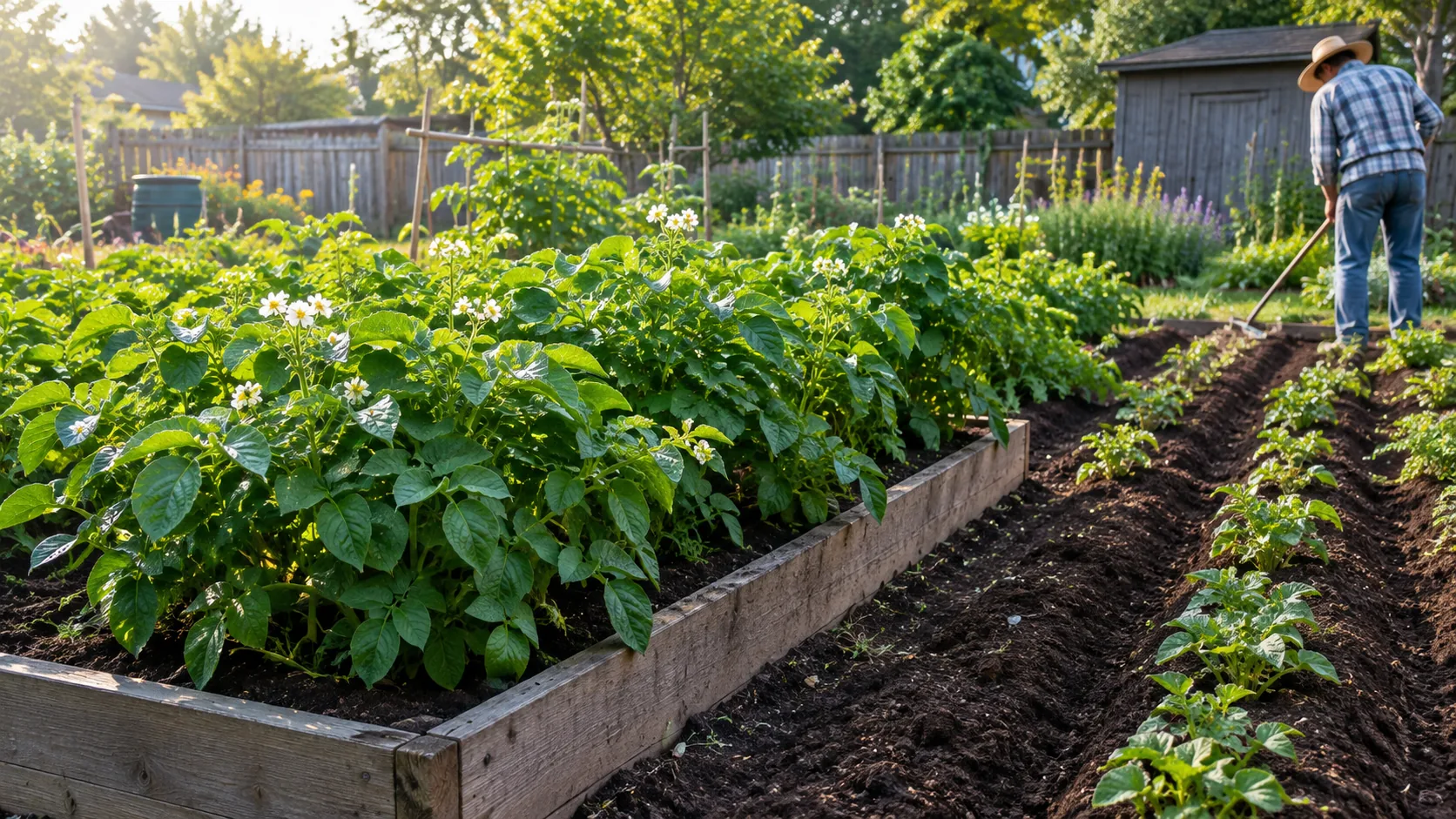
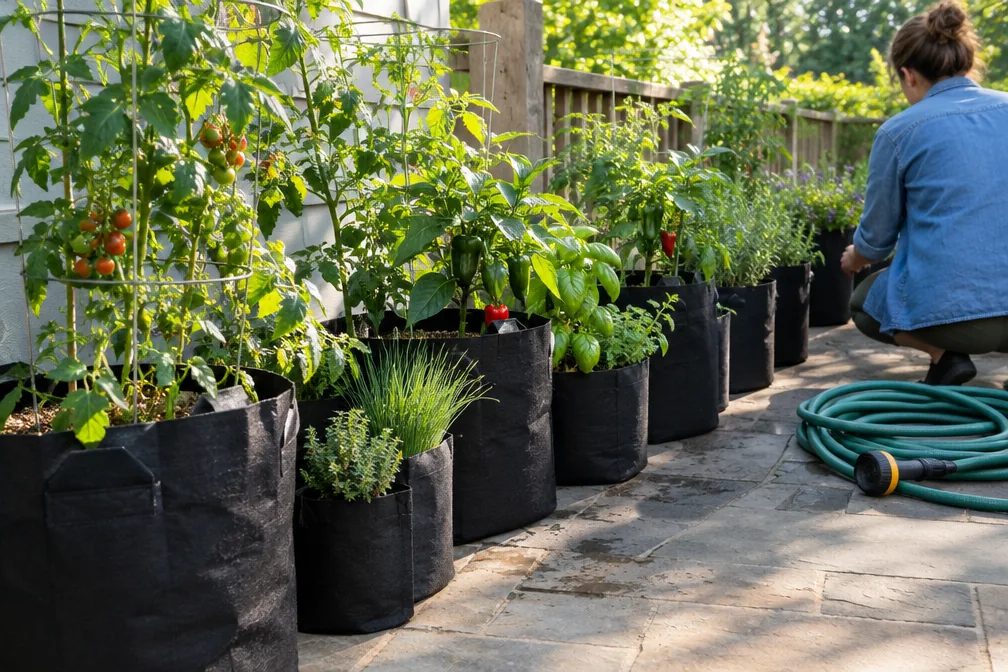
Tomatoes, peppers, potatoes, cucumbers, bush beans and leafy greens all grow well in bags, as do flowers and herbs. Potatoes are a natural fit because you can add mix as the plant grows and tip the bag out at harvest. Small fruit trees and berry bushes work in the 15 gallon and larger sizes, though you will need to water them more attentively and may need to move the bag for winter.
Skip very large, deep-rooted or sprawling plants in small bags. A vine in a 3 gallon bag will dry out and stall. For a kitchen-window version of the same idea, see our indoor herb garden guide for which herbs to grow and how to set them up.
What to fill grow bags with
Do not fill bags with garden dirt. It packs down, drains poorly and can carry weeds and pests. Use a container mix that stays loose when wet.
- Peat or coir-based potting mix as the base, about two thirds of the volume.
- Finished compost for nutrients, about one third.
- Perlite or coarse sand for drainage if the mix feels heavy when squeezed.
- A slow-release fertilizer mixed in at planting, following the label.
Set the bag where it will live before filling, because a full 15 gallon bag is heavy. Fill to about an inch below the rim, roll the top edge down if the fabric is floppy, and water until the mix is evenly damp before planting.
Check the pH before you plant
Soil pH controls how well a plant can take up nutrients. Many vegetables do well in a slightly acidic to neutral range, roughly 6.0 to 7.0, while blueberries want more acidic mix and the plant tag will say so. A meter lets you check the bag rather than guess.
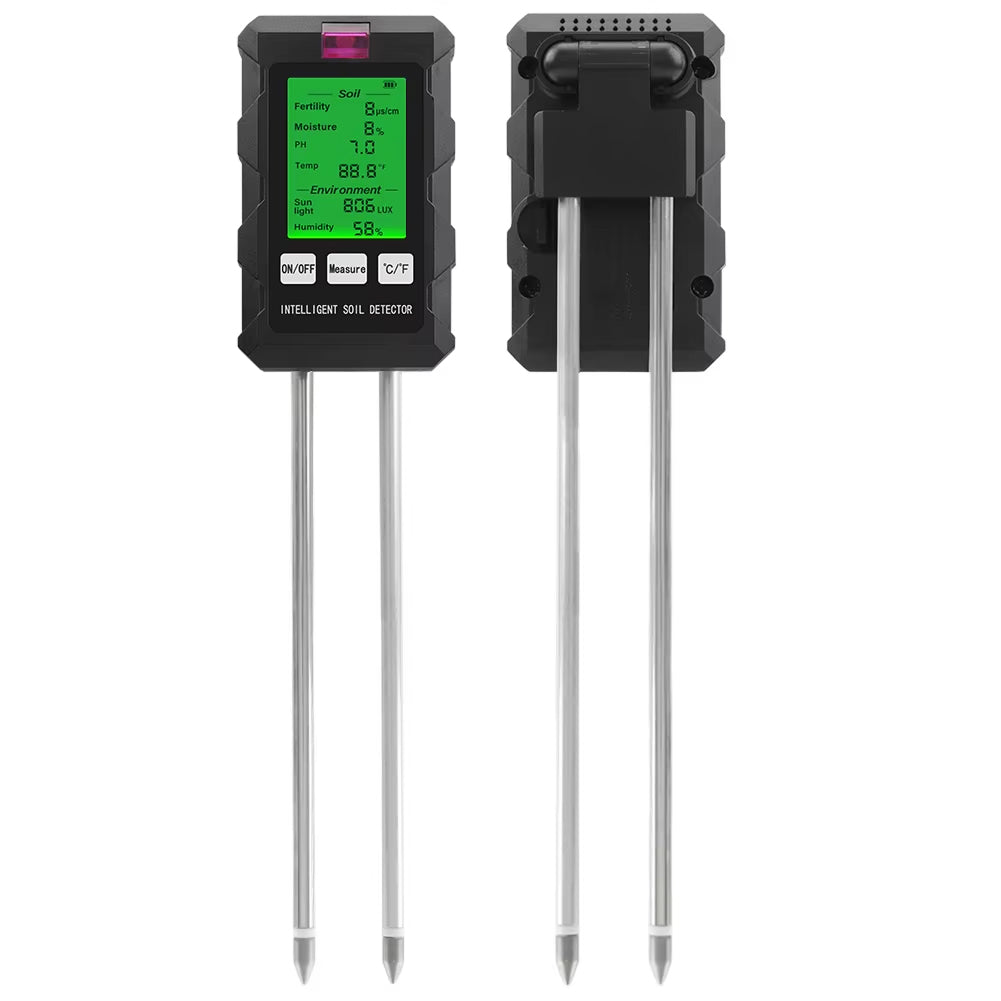
The RootGauge is a pen-style digital soil meter that reads pH to 0.1 and also shows soil moisture on a 1 to 10 scale, light and soil temperature. Calibrate it first with the pH 4.01 and 7.00 buffer powders that come with the pen, mixed with distilled water. Then push the probe 2 to 3 inches into moist mix at the root zone and read the backlit screen.
 In this guideRootGauge$89.99View
pH checklist for each bag
- Wet the mix evenly and let it settle, since the probe needs moist soil.
- Calibrate the meter, then rinse the tip with distilled water.
- Take readings at two or three spots in the bag and compare them.
- If the number is off for your crop, adjust the next batch of mix rather than piling amendments on a planted bag.
- Recheck after a few weeks of feeding and watering, and recalibrate at the start of each season.
Watering grow bags on a schedule
Breathable walls mean bags lose water from the sides, so they usually need water more often than a plastic pot of the same size. Small bags in full sun may need daily attention in summer, while a large bag may go a day or more between waterings. Push a finger two inches into the mix, or read the moisture number on a meter, before you decide.
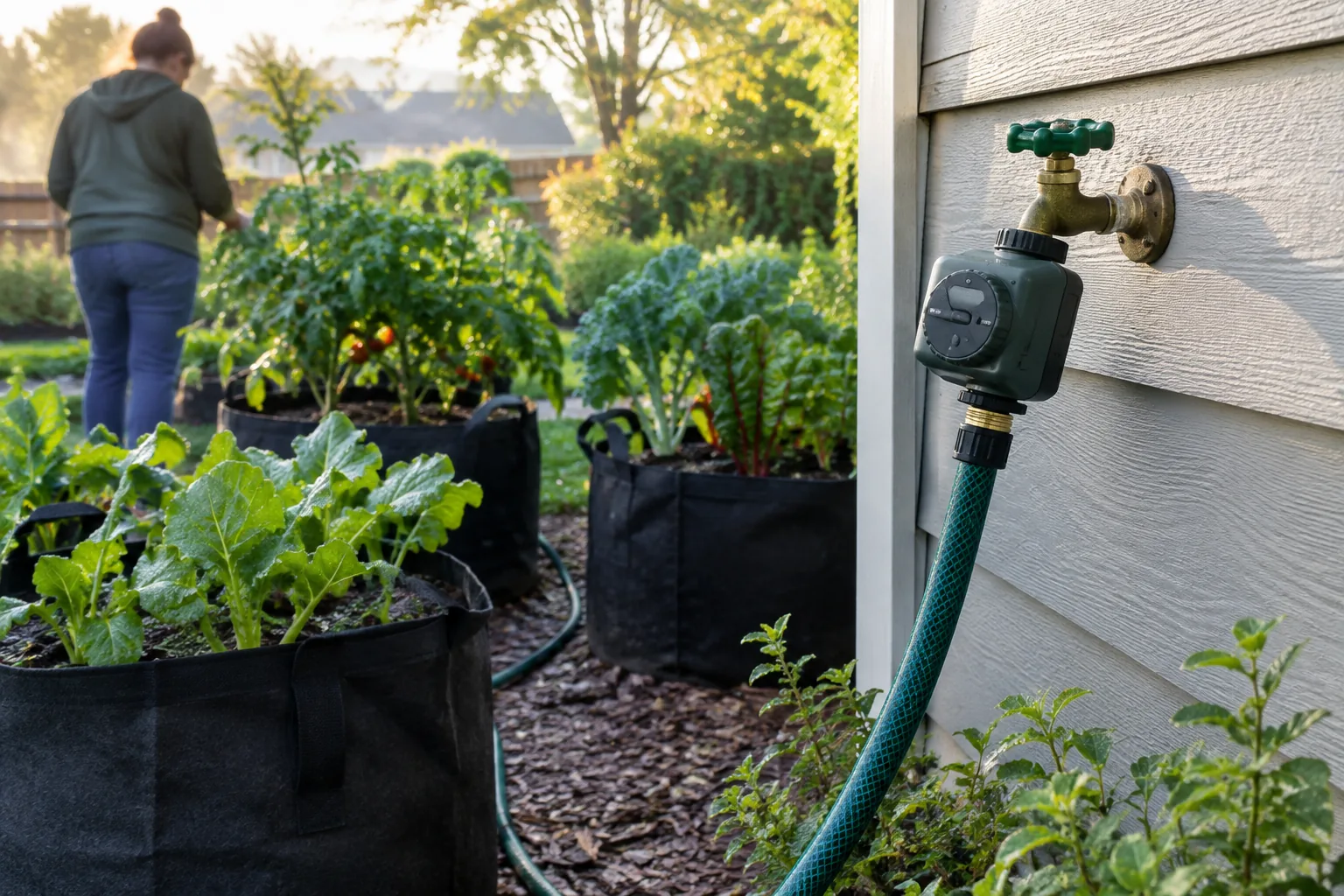
Water slowly at the base until a little seeps from the bottom, and aim for early morning so the foliage dries during the day. Watering at the same hour each day keeps the mix from swinging between soaked and bone dry.
Put the schedule on a timer
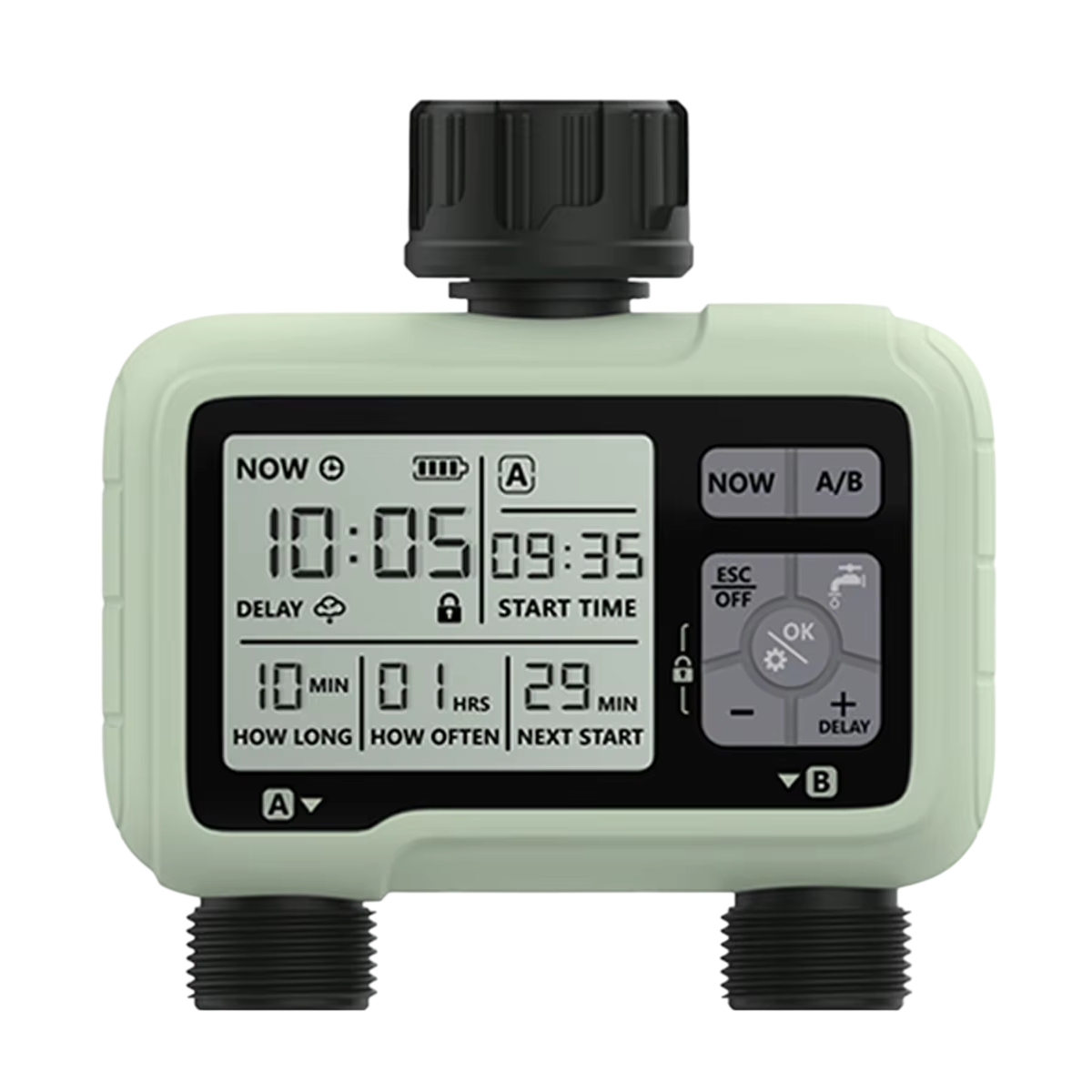
If you travel or forget the morning round, a hose timer handles the routine. The HydroTempo is a hose timer that threads onto an outdoor faucet by hand. The watering schedule is set with the buttons while reading the LCD display, and it can hold one plan for weekdays and another for weekends. A manual override button opens the water for an extra round on a hot afternoon, and your saved schedule stays stored.
For more options, browse our Watering & Irrigation collection.
 In this guideHydroTempo$59.99View
Field note
Weigh a bag by lifting one edge right after watering, then again a day later. Learning that difference tells you when the mix is ready for water before any gadget does.
Reusing grow bags at the end of the season
Fabric bags are reusable when the seams and fabric are intact. A routine keeps old residue and salts from carrying into next year.
- Empty the bag and shake out roots and loose mix. Add the old mix to a compost pile or spread it on a bed, but discard it if the plant looked unhealthy or was infested.
- Scrub the fabric with a brush and warm water. Some people add a mild soap; rinse well afterward.
- Dry the bag completely in open air before folding, so mildew does not form.
- Check handles and seams, and retire any bag with tears or thin spots.
- Store folded in a dry shed or closet until spring.
Next season, refresh with new mix or blend the old mix half and half with fresh compost, then check pH again before you plant.
Common mistakes with grow bags
- Choosing a bag too small for a tomato or potato, which leaves the mix drying out between waterings.
- Using garden soil, which compacts and drains poorly.
- Setting bags on bare concrete in full afternoon sun without checking moisture twice a day.
- Skipping feeding, since watering flushes nutrients through the fabric over time.
- Putting bags directly on a wood deck, where trapped moisture can mark the surface. Use a tray or a few bricks to lift them.