
What Is an Essential Oil Diffuser? Types, Setup and Cleaning
An essential oil diffuser is a small appliance that spreads scented oil into room air as mist or vapor. This guide compares the three main types, then covers setup and cleaning.
The Cobalt Hollow Team
November 18, 2026 · 6 min read
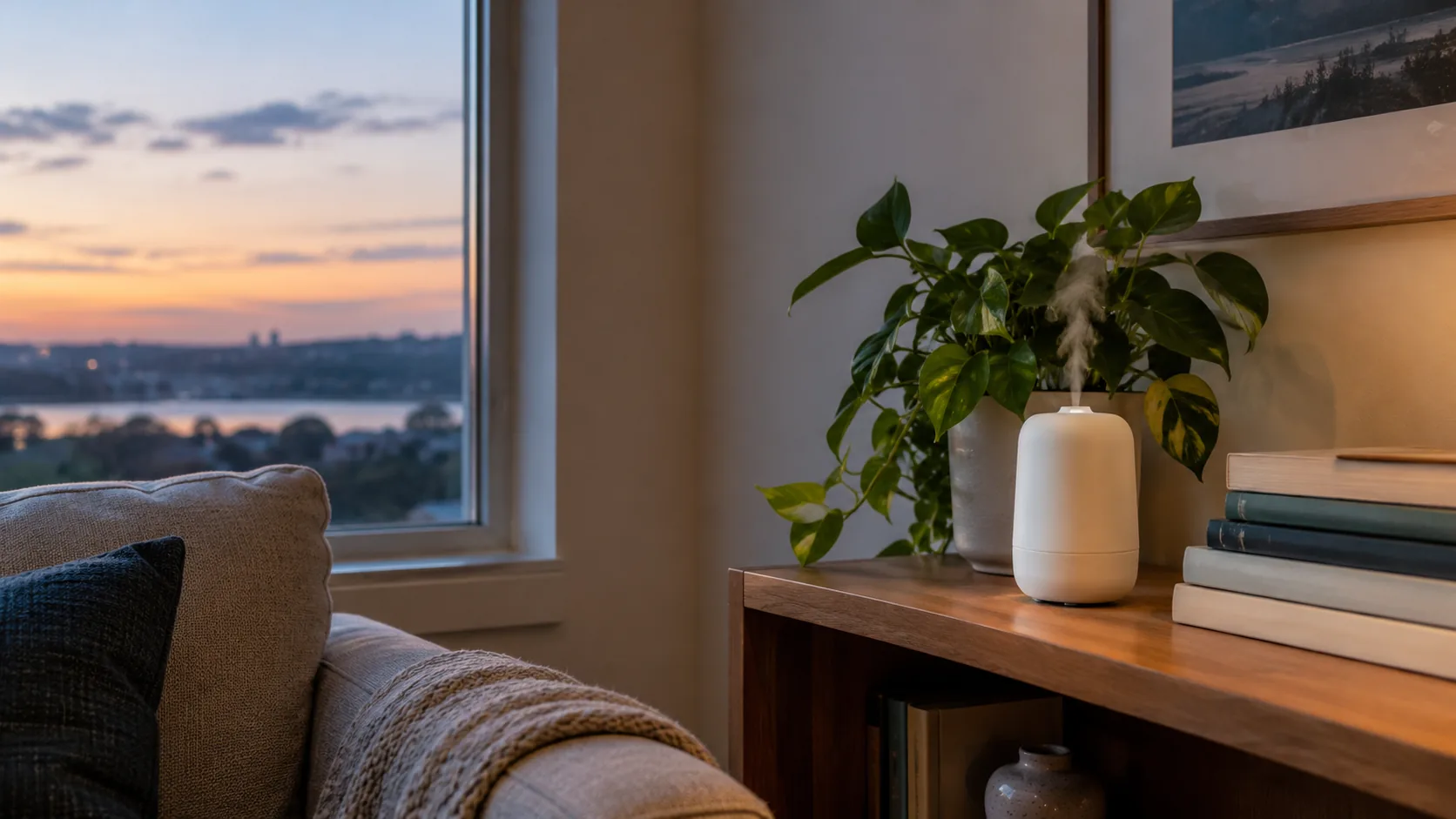
What is an essential oil diffuser? It is a small appliance that breaks scented oil into fine mist or vapor so the aroma spreads through a room. The three main types are ultrasonic (water and a vibrating plate), nebulizing (air pressure and undiluted oil) and heat (warmth and a small amount of oil or wax).
This guide explains how each type works, what the parts do, how to set one up and how to keep it clean. It sticks to the equipment and its care, not to effects on the body.
What is an essential oil diffuser made of: parts and method
Every diffuser does one job: it turns a liquid into something that can drift through the air. What differs is the method. Some use water as a carrier, some use air pressure, and some use gentle warmth.
Most models share a few parts: a reservoir or tank, a power source, a control for mist or timer, and an outlet where the mist or vapor leaves. Knowing which parts your unit has tells you what to clean and how often.
Types of diffusers compared
The table below sets the main types side by side. Check the manual for your exact model, because designs vary.
| Type | How it works | Needs water? | Main parts | Upkeep |
|---|---|---|---|---|
| Ultrasonic | A vibrating plate turns water and a few oil drops into mist | Yes | Water tank, ultrasonic plate, lid, power cable | Empty, rinse and wipe the tank and plate |
| Nebulizing | Air pressure pushes oil through a small glass part as a fine vapor | No | Glass reservoir, air pump, glass nozzle | Clean the glass parts as the manual directs |
| Heat | A candle, lamp or warming plate gently warms oil or scented wax | Depends on the model | Dish or bowl, heat source | Wipe the dish after it cools |
| Reed (passive) | Oil travels up sticks and scent spreads from the sticks | No | Bottle, reed sticks | Flip or replace sticks |
Ultrasonic diffusers
An ultrasonic diffuser essential oil setup is the most familiar type. You fill a tank with water, add a few drops of oil, and a plate vibrating under the water creates a cool mist. Because water is part of the process, the tank needs regular rinsing.
Oil does not mix with water on its own. Some oils are made to be water-soluble, so they blend into the tank water more evenly. Check the label and the manual for what your unit accepts.
Nebulizing diffusers
Nebulizing diffusers use no water. A pump sends air across a glass nozzle and the oil leaves as a fine vapor. Because they work with undiluted oil, a bottle goes through them at a steady pace, and the glass parts need careful cleaning.
Heat diffusers
Heat types include tea-light burners, electric warming plates and lamp rings. Warmth releases the scent from a small amount of oil or wax. If your unit uses a flame, keep it on a stable surface and away from curtains and paper, and do not leave it unattended.
Reed and passive diffusers
Reed sets need no power. Sticks sit in a bottle of scented oil and draw it upward. There is nothing to run, and you control the scent only by how many sticks you use.
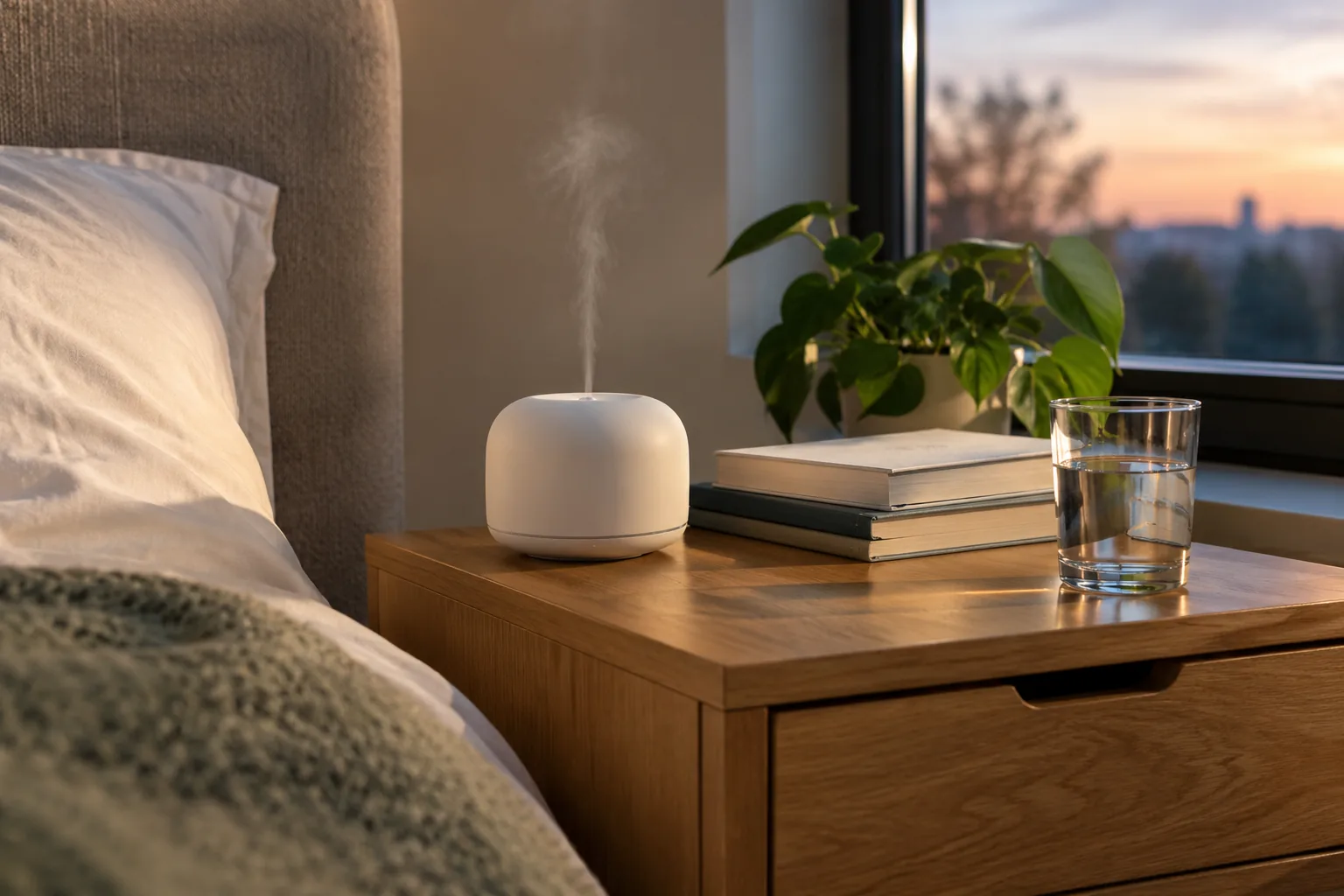
Choosing a diffuser by room and routine
Start with where it will sit. A bedroom nightstand, a desk and a living room shelf each call for a different tank size, mist range and light setting.
- Pick the type that matches the oil you own. Water-soluble or diffuser-labeled oils suit a tank; undiluted oils suit a nebulizer.
- Check the tank size, since a small tank means more refills.
- Look for a timer so the unit shuts off on its own schedule.
- Decide whether you want a light built in, or a separate lamp.
- Confirm how it is powered and that the cable reaches an outlet or power adapter you have.
If you like a soft glow with your scent, a combined unit means one body on the table instead of two. The Oleavia is one such model. It has a 120ml (about 4 fl oz) water tank and a built-in soft light, with settings for mist, glow and timer.
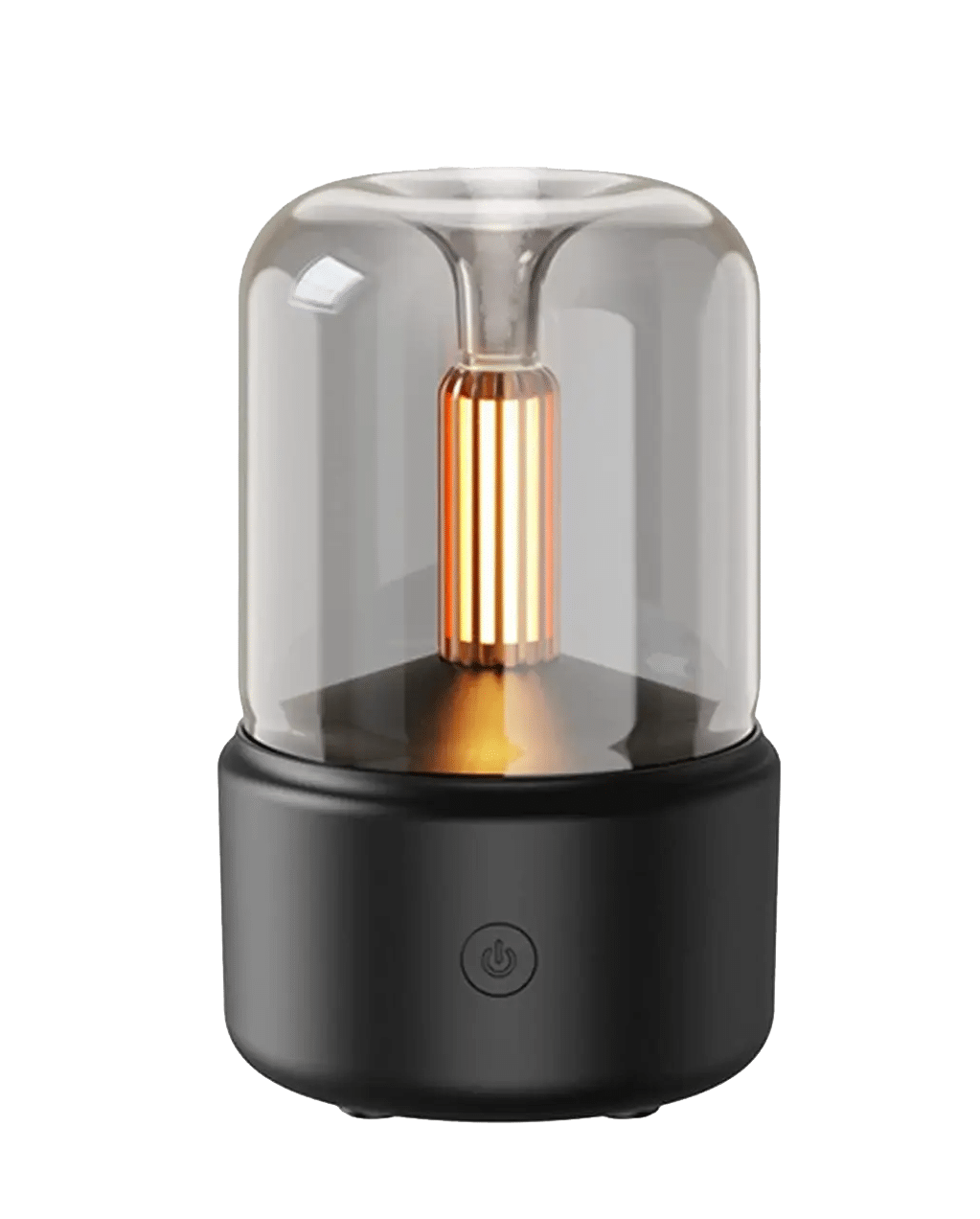 In this guideOleavia$49.99View
How to set up an essential oil diffuser
These steps match a typical water-tank model. The manual for your unit always comes first.
- Place the unit on a flat, stable surface, away from the table edge and from electronics.
- Unplug it, then lift off the cover and fill the tank with water. Stay under the fill line.
- Add a few drops of oil. For the Oleavia, the product page calls for water-soluble essential oil.
- Replace the cover and plug in the Type-C cable.
- Choose the mist strength, the light level and the timer.
- Let the mist run, and top up the water when the level looks low.
Field note
Add oil a few drops at a time. If the scent fills the room too strongly, use fewer drops next time instead of running the unit longer.
What oils to put in a diffuser
Look for oils labeled for use in diffusers, and read the bottle and the manual. Single oils and blends both work in most water-tank units, and lavender, tea tree, citrus and mint are common choices for scent. Some diffuser oils are fragrance oils rather than essential oils, so the label matters.
Pick one scent at first, then try a simple blend of two. Avoid thick carrier oils in a water tank, since they can coat the plate. Nebulizers take a different kind of oil than tank models, so follow your unit's guidance.
What makes the scent last in a room
Scent lingers longer in a smaller, closed room than in an open space with moving air. A larger room, an open window or a ceiling fan all carry the aroma away sooner. Using a timer, and placing the unit away from a vent, helps you set how much scent builds up.
Reed sets and warmers release scent slowly and steadily, while mist units release it only while running. Choose by whether you want steady background scent or a scent you switch on.
Cleaning an essential oil diffuser: care schedule
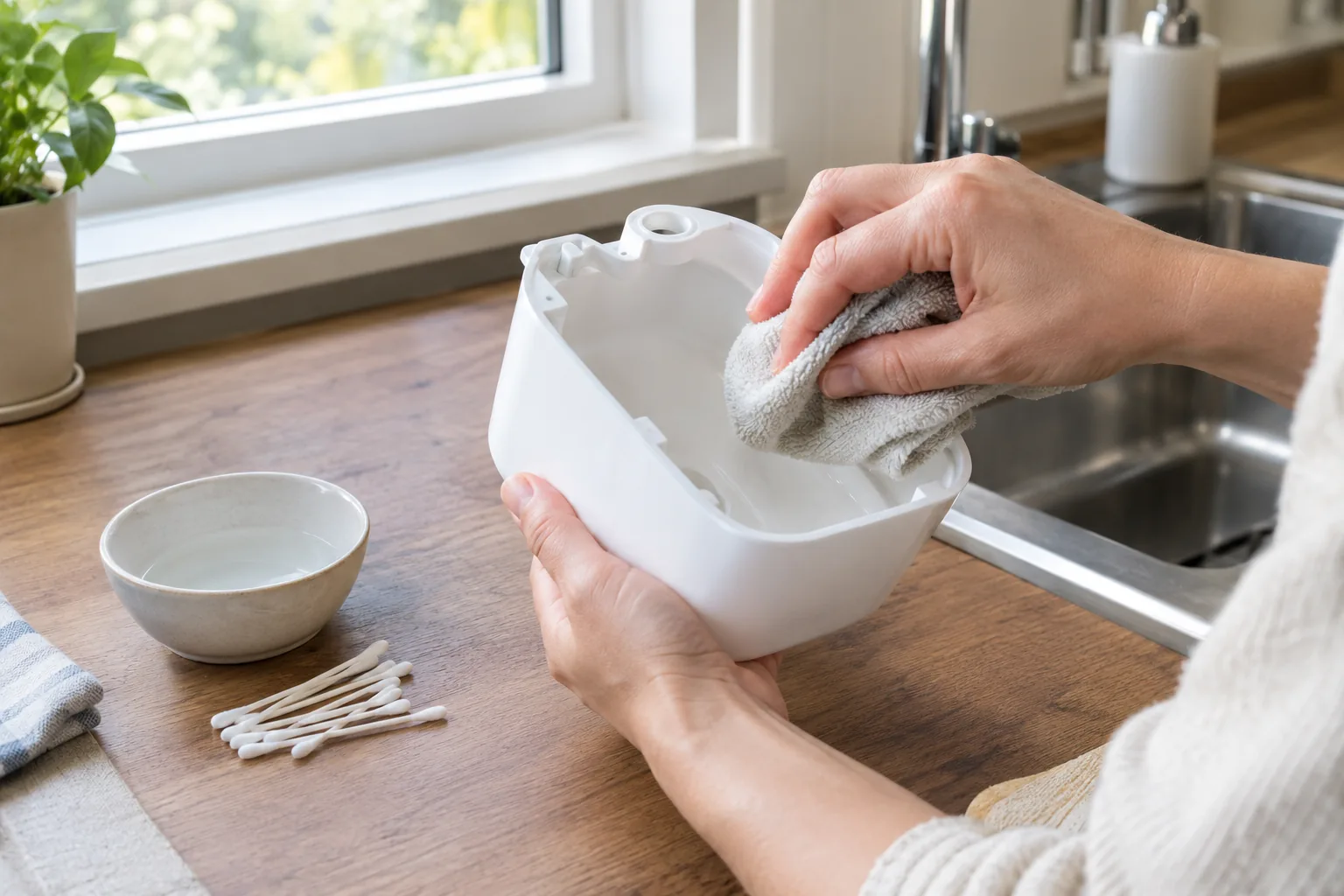
Residue builds up in a tank, so a routine matters more than any single deep clean. Unplug the unit before you touch the tank or the plate.
| When | What to do |
|---|---|
| After each use | Empty leftover water, wipe the tank with a soft cloth and let it air dry |
| Weekly | Rinse the tank, then clean with a cotton swab and a small amount of white vinegar or rubbing alcohol, as the manual allows |
| When switching oils | Rinse and wipe so the scents do not blend |
| Before storing | Clean, dry fully and store with the lid off |
Do not submerge the base or the cable. Handle the plate gently, since it is a delicate part, and skip abrasive pads.
Common mistakes and safety notes
- Too many drops: a few are enough in a water tank.
- Leaving water in the tank between uses, which allows residue to build.
- Placing the unit on fabric or near the table edge.
- Using a different oil type than the manual lists.
Keep oils and diffusers out of reach of children, and ask a veterinarian before diffusing around pets. Follow the manual for your unit, and ventilate the room. Once you know what an essential oil diffuser is and how its parts work, the routine above covers the rest.
If you like adding mood lighting around the house, see our Smart & Ambient Lighting collection. If you are curious about other mist-making devices, what's in fog machine liquid explains how a fluid-based mist works.
Frequently asked questions
Keep reading
 Cozy Bedding & Thermal ComfortHow to Wash Pillows: Down, Foam, Gel and Cooling Types7 min read
 Heating, Cooling & Water HeatingGood Electric Tankless Water Heater: Sizing, Power and Checks7 min read
 Heating, Cooling & Water HeatingSmart Thermostat Install: Wiring Check and Step-by-Step Setup7 min read