Blender vs Food Processor: Which Kitchen Tasks Need Which
A blender turns liquid-heavy mixtures smooth; a food processor chops, shreds and mixes thicker, drier food. Use the task table below to see which one you need, or whether you need both.
The Cobalt Hollow Team
October 16, 2026 · 7 min read · Updated November 18, 2026
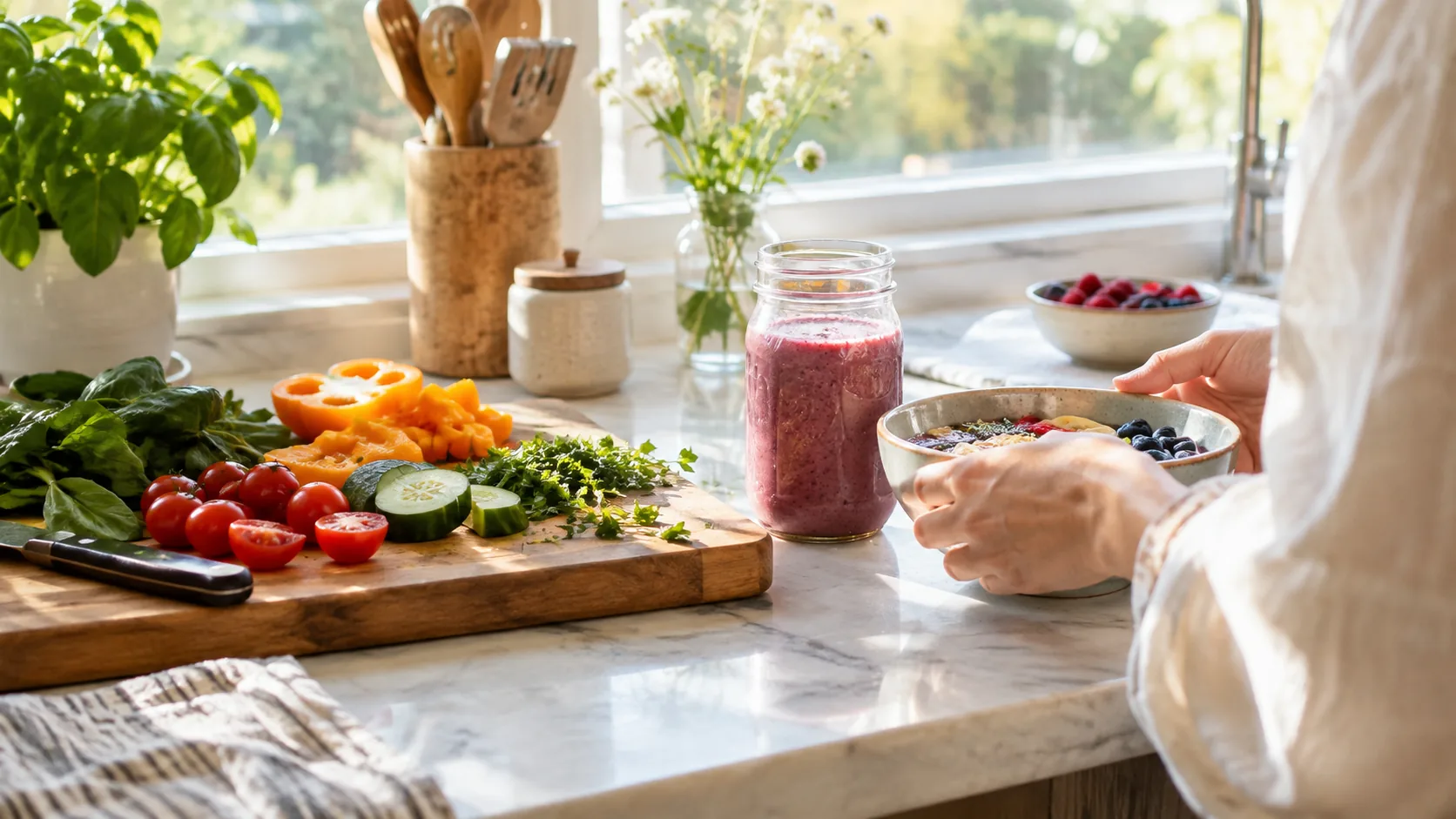
In the blender vs food processor decision, the rule is simple: a blender makes liquid-based mixtures smooth, and a food processor chops, minces and mixes thicker, drier food into a texture you control. If most of your cooking is smoothies, frozen drinks and thin soups, a blender covers it. If you chop onions, herbs, nuts or meat, or mix small batches of dough, you want a food processor.
Many kitchens end up with both because the two tools are built for different jobs. This guide matches common tasks to the right appliance so you can decide without guessing.
Blender vs food processor: the core difference
The difference comes from the container and the blade. A blender has a tall, narrow jar that pulls everything down onto the blades, which works when there is enough liquid to keep the contents moving. The result is smooth and pourable.
A food processor has a wide, short work bowl and flat blades that sit low. Food stays spread out, so the sharp blades cut it into pieces rather than liquefying it. You get control over texture, from a rough chop to a fine mince, and you can work with little or no liquid.
Why liquid matters
A blender relies on liquid to circulate food. Thick, dry mixtures can stall around the blender blades, leaving a pocket of air while the rest sits untouched. A processor does not need that circulation, which is why it suits thick doughs, chopped vegetables and crumbly mixtures.
The pulse button
Both machines may offer a pulse button, but it matters most on a processor. Short bursts let you stop while pieces are still distinct. Holding the button down is what turns a chop into paste.
Task-by-task comparison
Use this table when you are deciding which tool to pull out. "Either" means both can do the job, though the texture will differ.
| Task | Blender | Food processor | Notes |
|---|---|---|---|
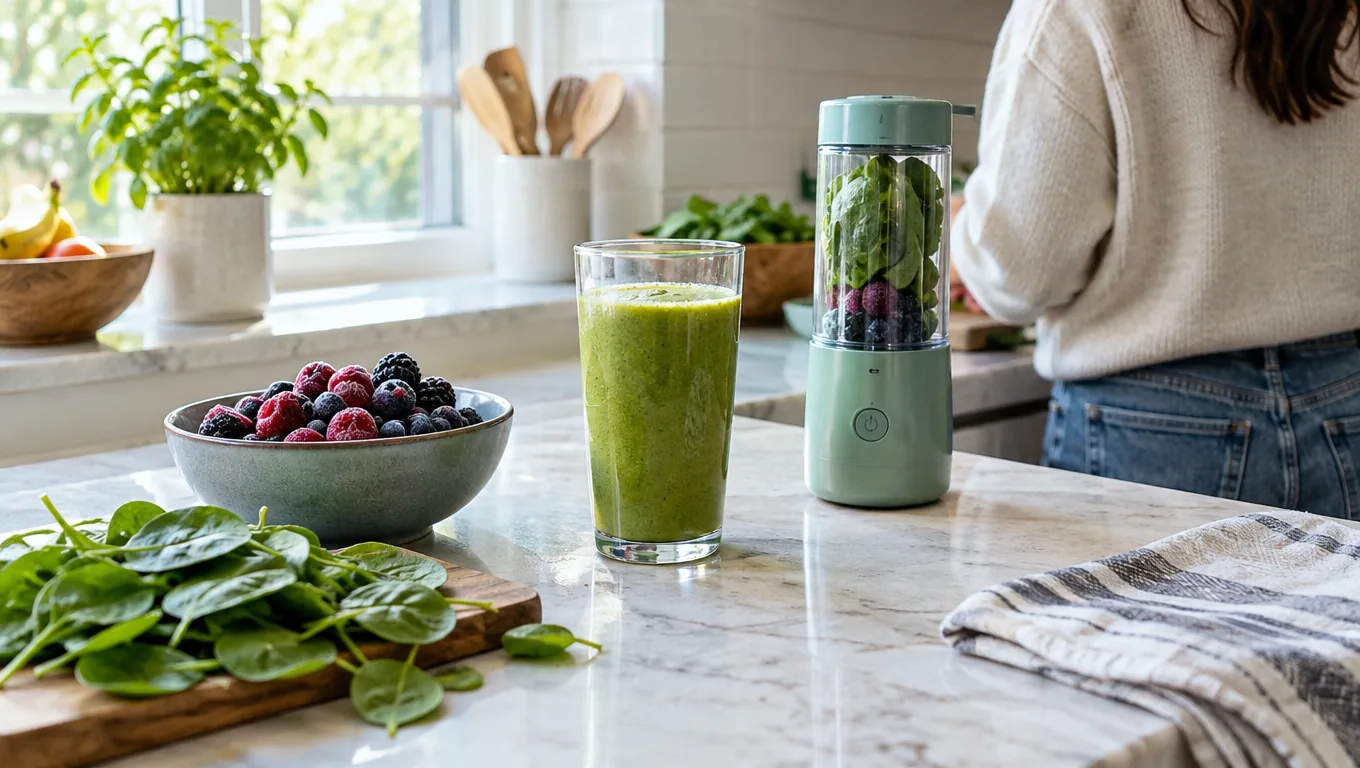
| Smoothies and shakes | Strong fit | Poor fit | A tall jar keeps liquid moving over the blades. |
| Crush ice, frozen fruit | Strong fit | Rough results | Add liquid so the contents circulate. |
| Smooth soups | Strong fit | Possible in small batches | Let hot soup cool a little and follow the manual on hot liquids. |
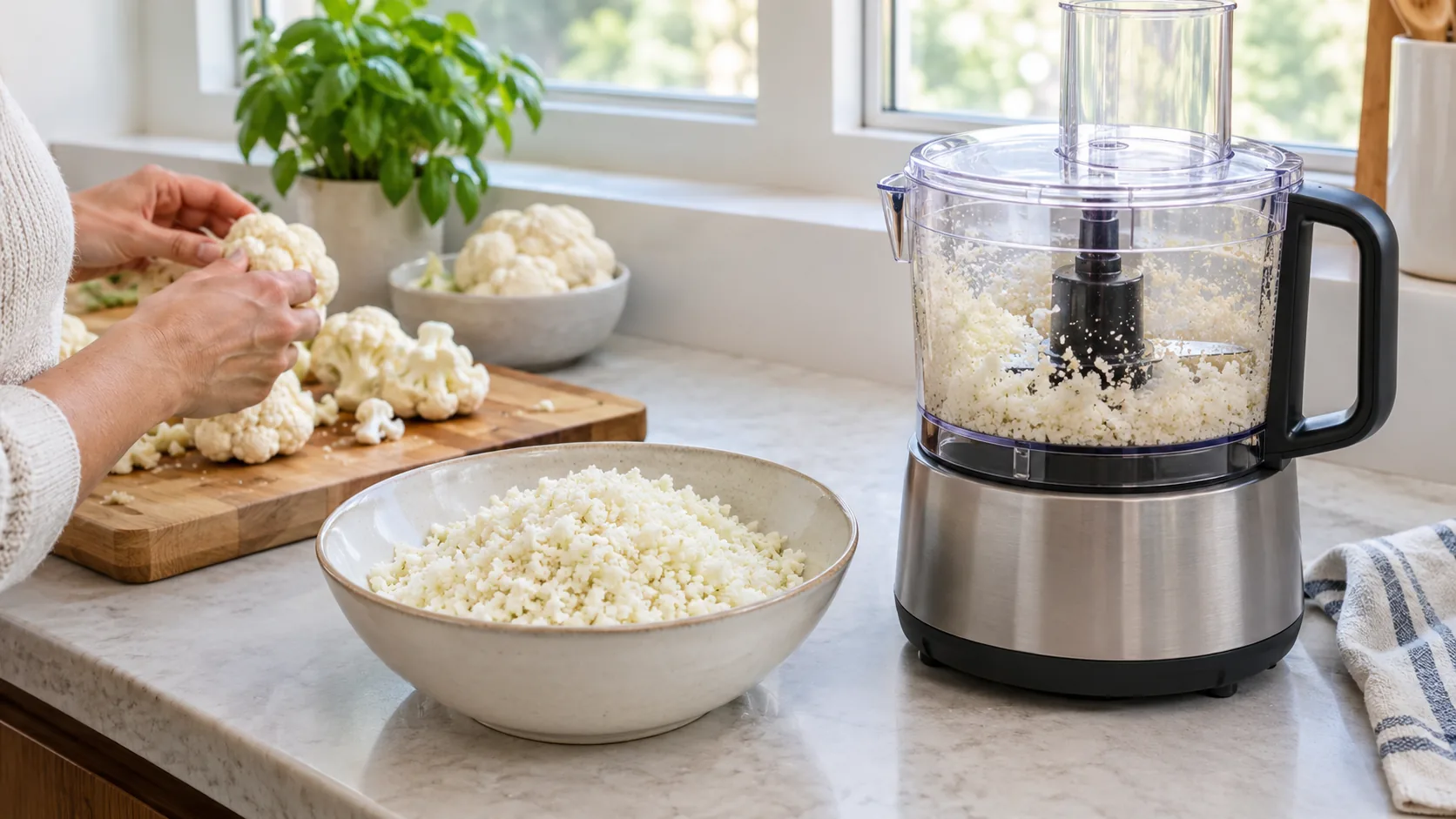
| Chopping onions, peppers, celery | Poor fit | Strong fit | Pulse to keep pieces even instead of mushy. |
| Mincing herbs | Poor fit | Strong fit | Use the lower speed for soft leaves. |
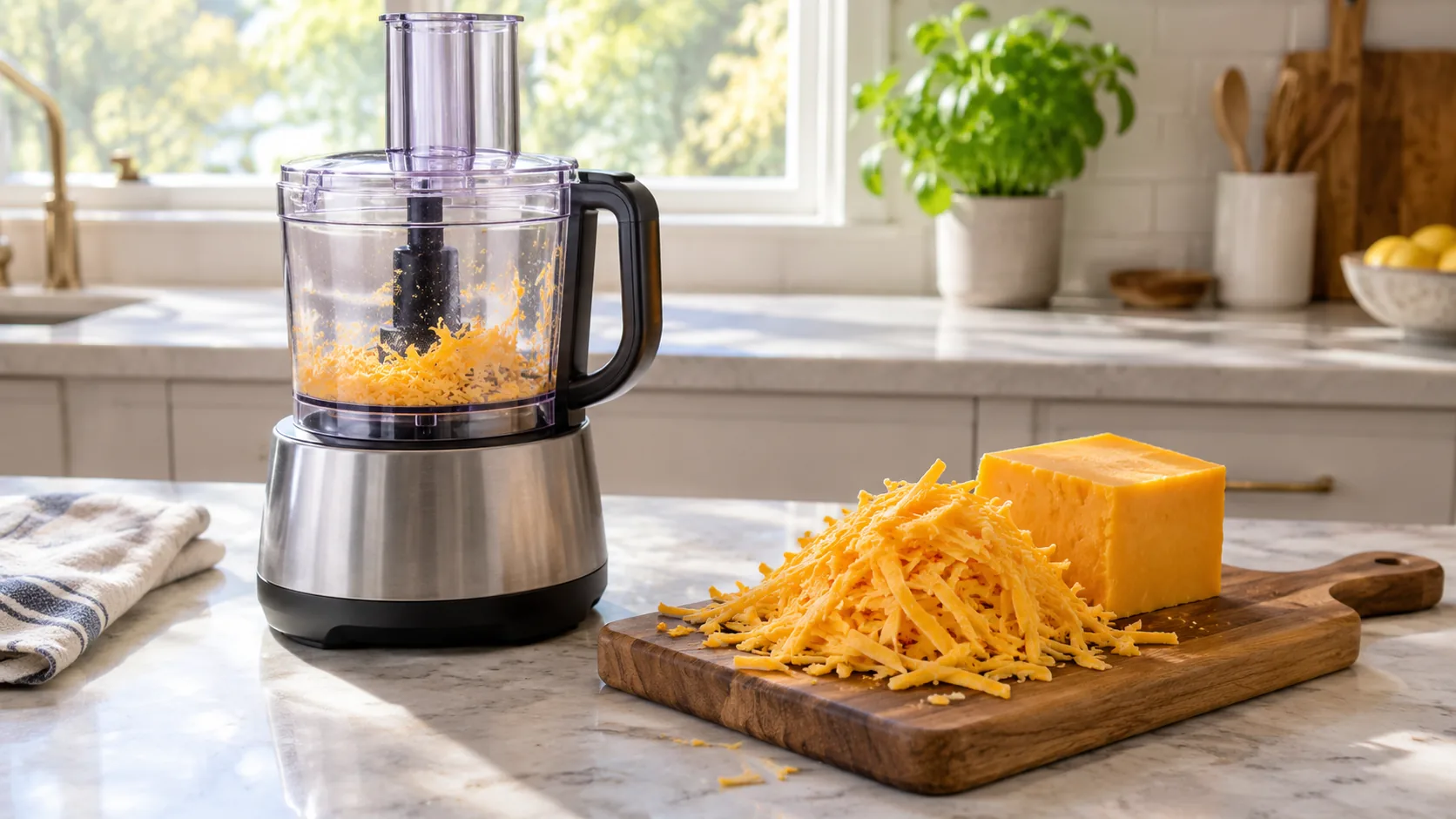
| Slicing and shredding cheese or cabbage | Not suited | Good fit with a disc | Only if your model includes slicing or shredding discs. |
| Chopping nuts | Poor fit | Strong fit | Short pulses give a coarse or fine chop. |
| Ground or minced meat | Poor fit | Strong fit | Cut into pieces first and avoid overfilling. |
| Small dough batches | Not suited | Good fit | Check the manual for dough limits. |
| Salsa | Either | Either | Processor gives a chunkier result, blender a looser one. |
| Hummus and dips | Either | Either | Processor handles thick mixtures with less added liquid. |
| Sauces and dressings | Strong fit for thin, smooth sauces | Good for chunky or paste-style sauces | Match the tool to how pourable you want it. |
| Nut butters | Either, with a capable unit | Either, with a capable unit | Check your manual; thick mixtures can strain a motor. |
| Frozen fruit "ice cream" | Either | Either | Work in small batches and add a splash of liquid if it stalls. |
| Baby food purees | Either | Good fit | Cook food until soft; add liquid for a thinner puree. |
What a food processor does that a blender cannot
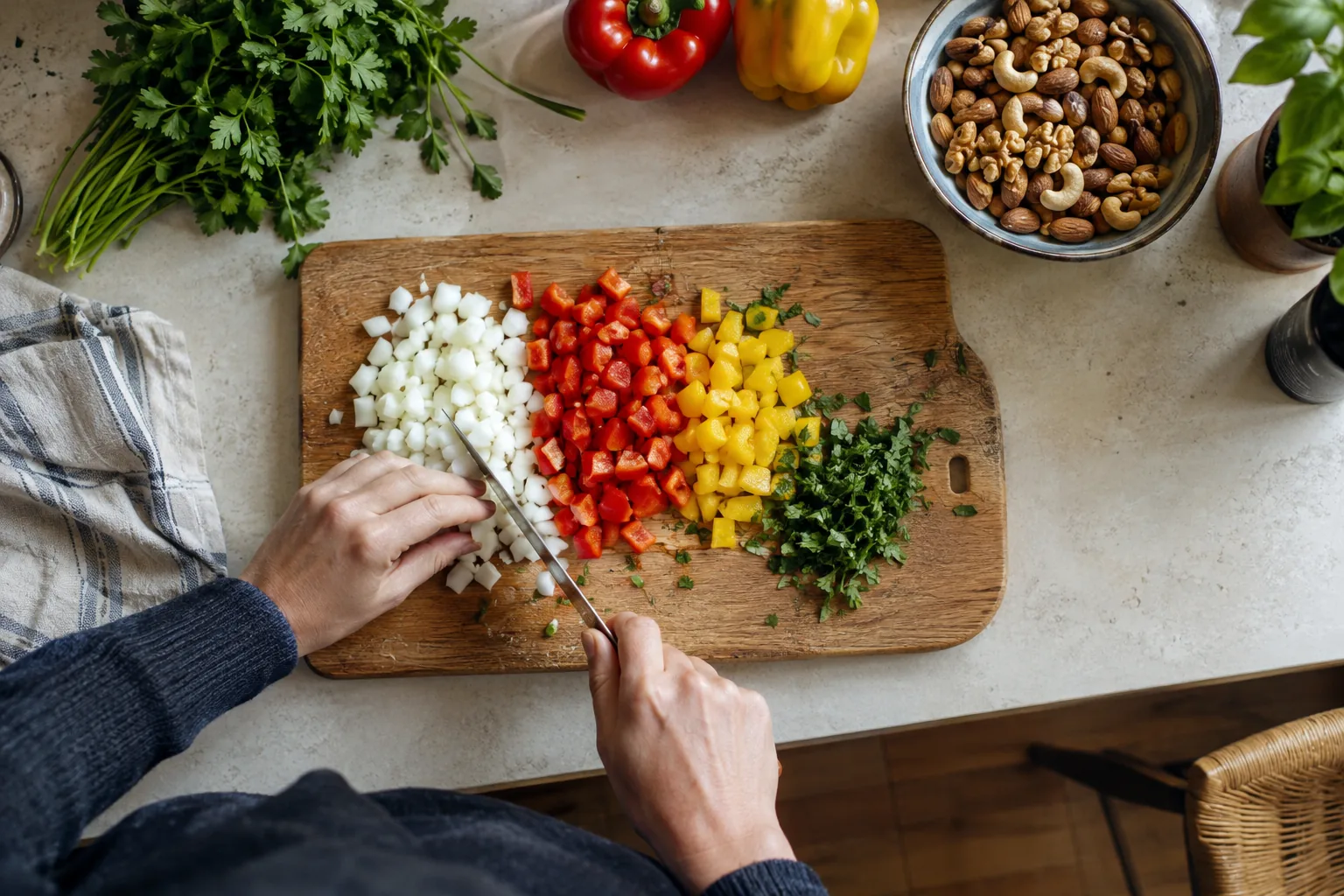
A processor handles dry and semi-dry work. It chops raw vegetables into even pieces, minces herbs, grinds nuts to a coarse crumb, mixes small batches of dough, and prepares meat for burgers or fillings. With the right disc, many models also handle slicing and shredding. A blender can turn those same ingredients into paste or liquid, but it rarely gives you a controlled chop.
That control is the real advantage. Short pulses leave texture in place, and a see-through lid lets you stop the moment the pieces look right.
Disadvantages of a food processor
- Poor with thin liquids. Many bowls leak if filled with liquid past the fill line, so smoothies and thin soups are awkward.
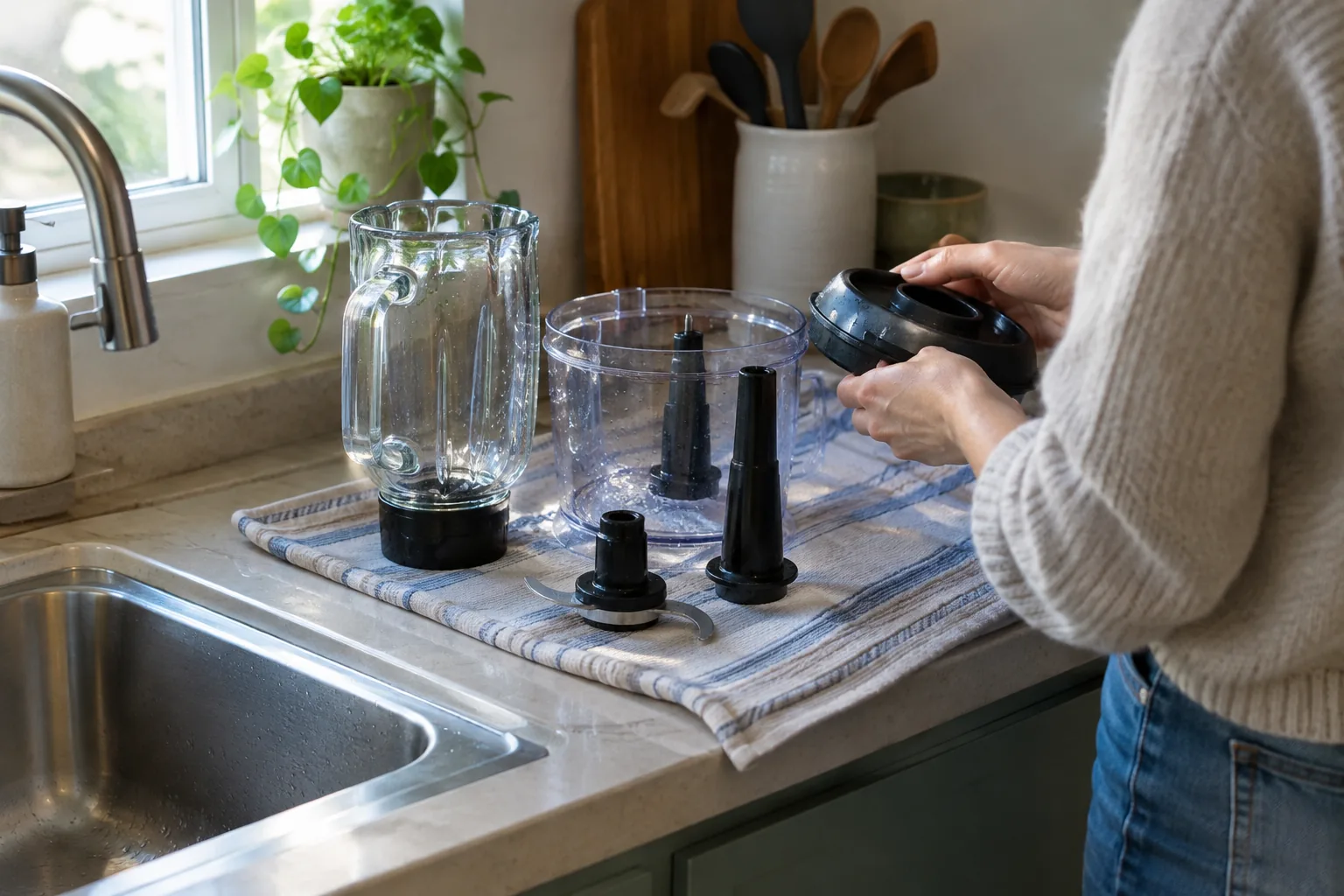
- More parts. The bowl, lid and blade all need washing.
- Counter and storage space. The wide bowl takes more room than a narrow jar.
- Not smooth. Even long runs leave a slightly textured result in many mixtures.
 In this guideChopCraft$149.99View
Where the ChopCraft fits
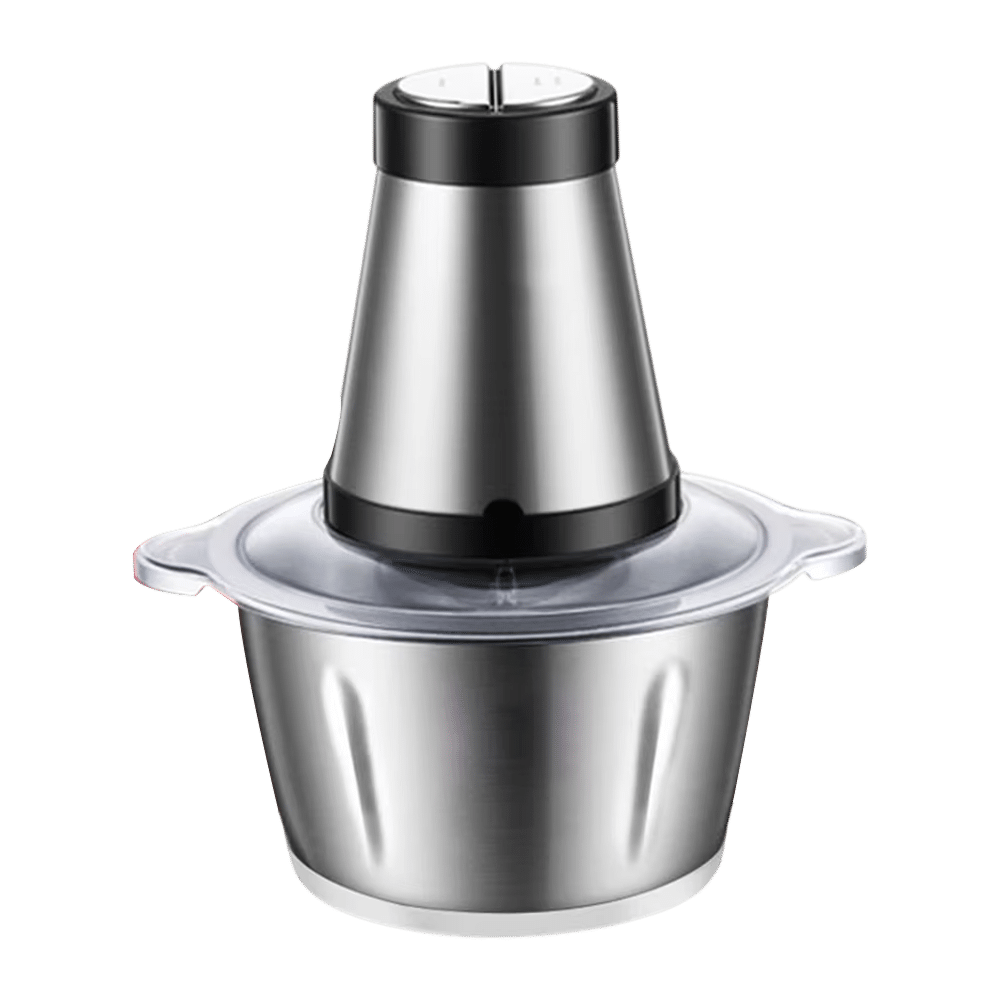
If chopping is your main need, the ChopCraft food processor is built around it. It has four bi-level blades and a 2L stainless steel bowl with a see-through lid. Two speed settings let you pick low or high speed to get anything from a rough chop to a fine mince.
The listed uses are vegetables, meats, nuts, baby food and small dough batches. The parts are dishwasher-safe, and the reinforced base adds weight that helps hold the unit in place on the counter while the motor runs.
Is a blender basically a food processor?
No, though they overlap. Both spin blades in a container, but the shape of the container and the way food moves make them behave differently. Think of a blender as a tool for making things drinkable or pourable and a processor as a tool for cutting things up.
The overlap is real in the middle: dips, salsa, some sauces and purees. Those are the tasks where either tool works and your preferred texture decides.
Food blender vs food processor for sauces
For a smooth, pourable sauce or dressing, choose the blender. For a chunky pesto, a chopped relish or a paste-style sauce, the processor gives you more say over texture. Both can make a good result if you add liquid in stages.
Using a blender as a food processor (and the reverse)
You can borrow one tool for the other's job in a pinch, with limits. A blender can chop soft items if you pulse in small amounts and add a splash of liquid, but the pieces will vary in size. This is also the answer for anyone wondering whether a countertop blender with a pitcher can stand in for a processor: it can blend, but it cannot give you an even dice.
A processor can puree soft foods, but expect a thicker, less uniform result than a blender gives. For nut butters, either machine needs a motor that can handle thick mixtures, so read the manual before you try.
Common mistakes
- Overfilling. Fill only to the line marked in your manual.
- Running too long. Chopping turns to paste quickly; pulse and check.
- Skipping liquid in a blender. Dry mixtures stall and strain the motor.
- Adding hot liquid to a sealed container. Steam builds pressure; follow the manual and vent as directed.
- Uneven pieces. Cut food to a similar size before chopping.
Field note
Before you borrow one machine for the other's job, read the manual's capacity and hot-liquid instructions. If a mixture is very thick, work in small batches instead of forcing it.
Where a blender is enough
If your routine is smoothies, frozen fruit drinks and loose purees, a blender is the tool to own. Personal blenders and portable models also suit people who blend at work, at the gym or on the road.
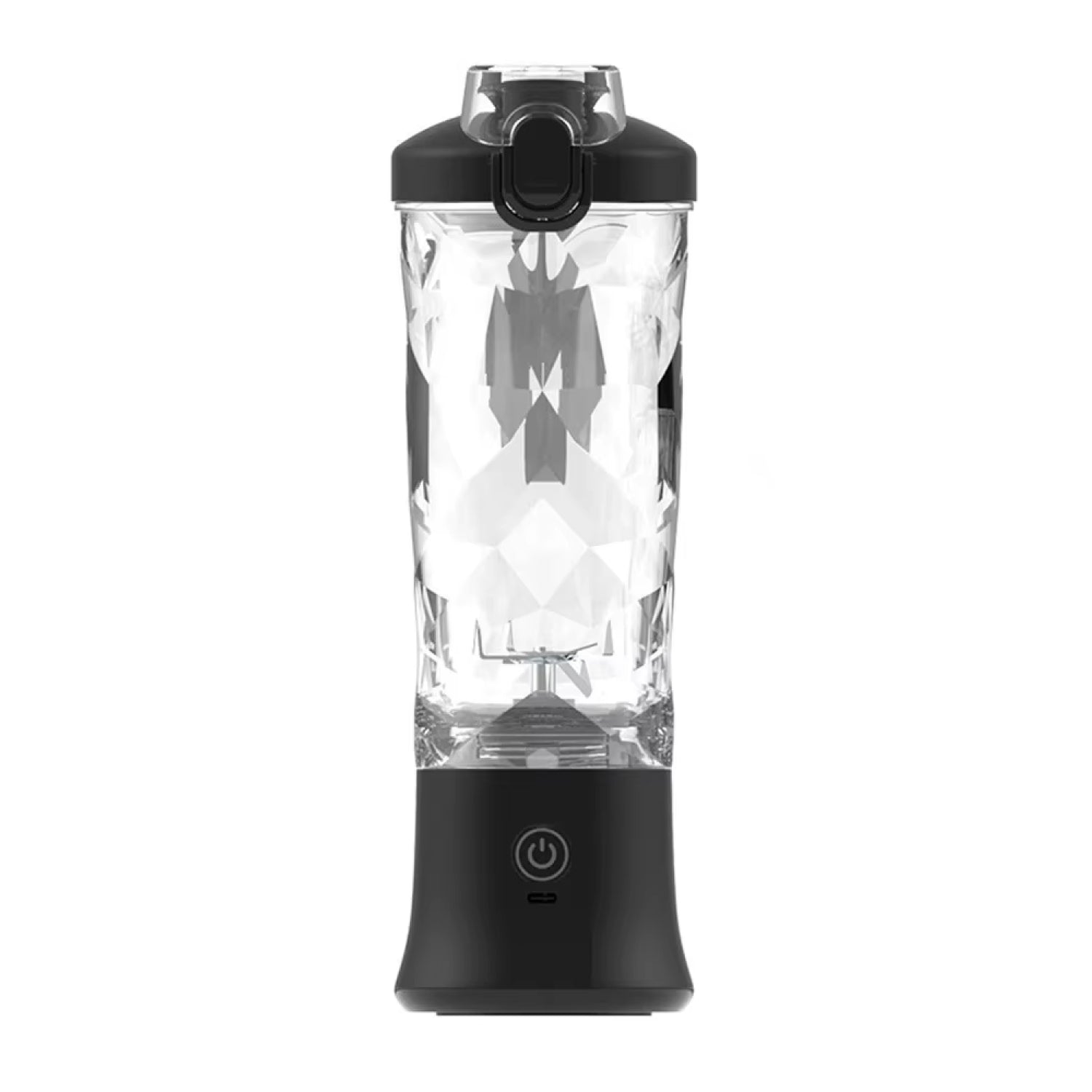
The Blendara portable blender is that kind of unit. It is cordless, with a 600ml jar, a 150W copper motor and ten stainless steel blades. You add fruit, ice or liquid, press one button and watch the 12-light display for battery and blend status. It recharges over USB-C.
It is a single-serve tool, so it does not replace a full-size processor for family-size chopping. For larger jobs, browse our blenders, mixers and prep tools.
 In this guideBlendara$99.99View
Do you need both? A quick decision path
Work through these steps to settle the blender versus food processor question for your own kitchen.
- List what you make weekly. Mark each item as drinkable or pourable (blender) or chopped, minced or doughy (processor).
- Count the marks. If nearly all fall on one side, buy that tool first.
- Check the overlap tasks. Dips, salsa and purees work in either, so they should not decide it alone.
- Consider your space. A compact or portable blender suits small counters; a processor needs a spot for its wide bowl.
- Add the second tool later if you keep working around the limits of the first.
Need a hand-held option for soups in the pot? Our guide on what an immersion blender is explains where immersion blenders fit between the two.
Setup and care checklist
- Unplug or power down before changing blades or cleaning near them.
- Handle blades by the hub, not the edge.
- Seat the jar or bowl and lid fully before starting.
- Rinse right after use so food does not dry on.
- Wash dishwasher-safe parts as the manual directs; hand-wash anything it does not list.
- Wipe the base with a damp cloth only; keep the motor housing out of water.
- For USB-C units, recharge with the supplied cable when the display shows low battery.