Water Softener Systems for Home: Types, Sizing and Upkeep
Pick a softener by matching your water hardness and household use to a capacity, then choose salt-based or salt-free by the upkeep you will do.
The Cobalt Hollow Team
November 29, 2026 · 5 min read
What water softener systems for home do
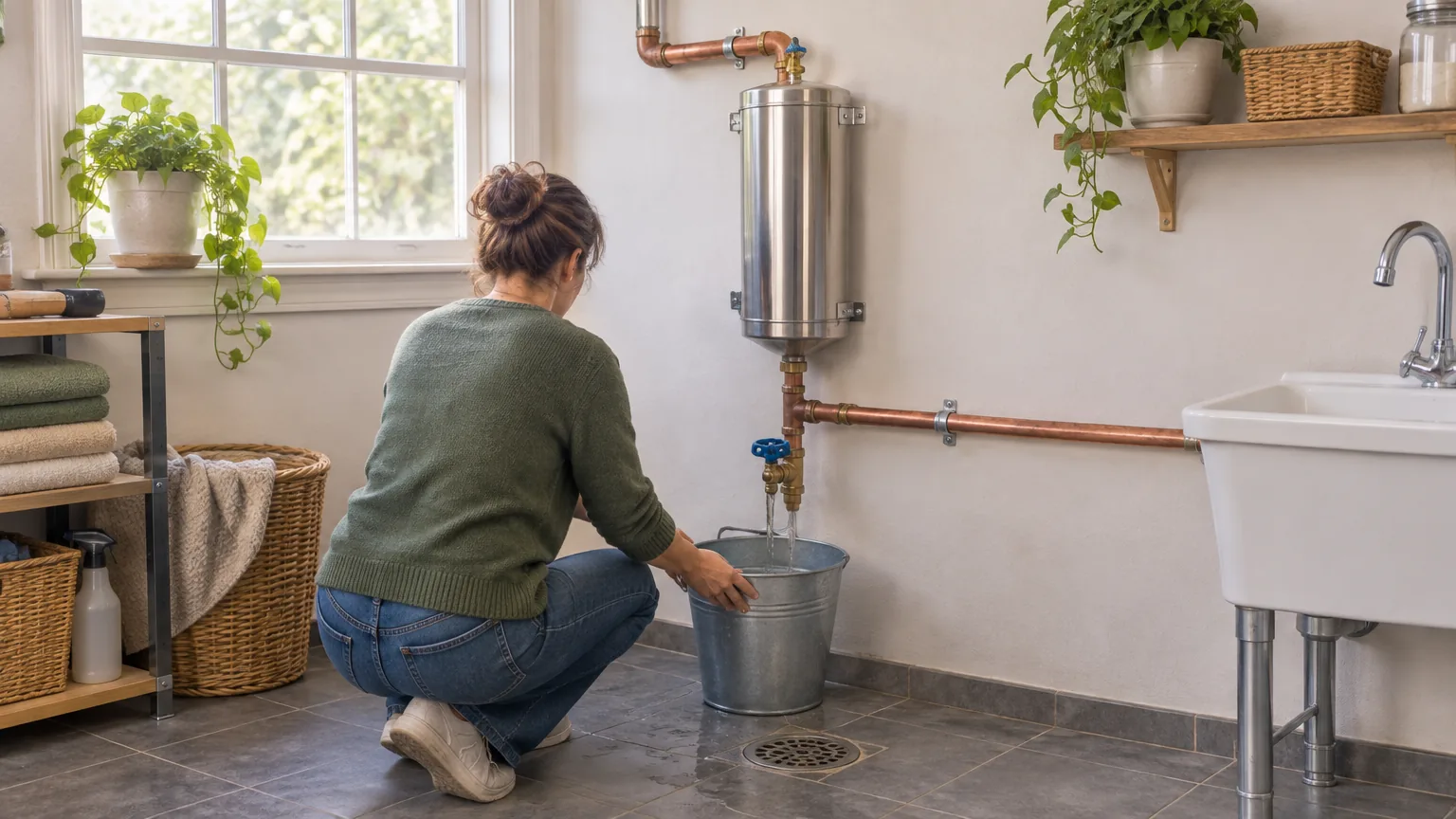
Water softener systems for home deal with hard water, which carries calcium and magnesium. Salt-based units swap those minerals out using resin and a salt brine, while salt-free units are scale-focused and use no salt. Choose by your hardness reading, your household's daily water use, and how much upkeep you want to do.
Hard water shows up as scale on kettles, fixtures and heating elements, and as a film on glass and tile. A softener sits on the main line so the whole house gets softened water, not one faucet. The steps below go in the order you will make the decisions: measure, size, choose a type, install, then maintain.
Check your water hardness first
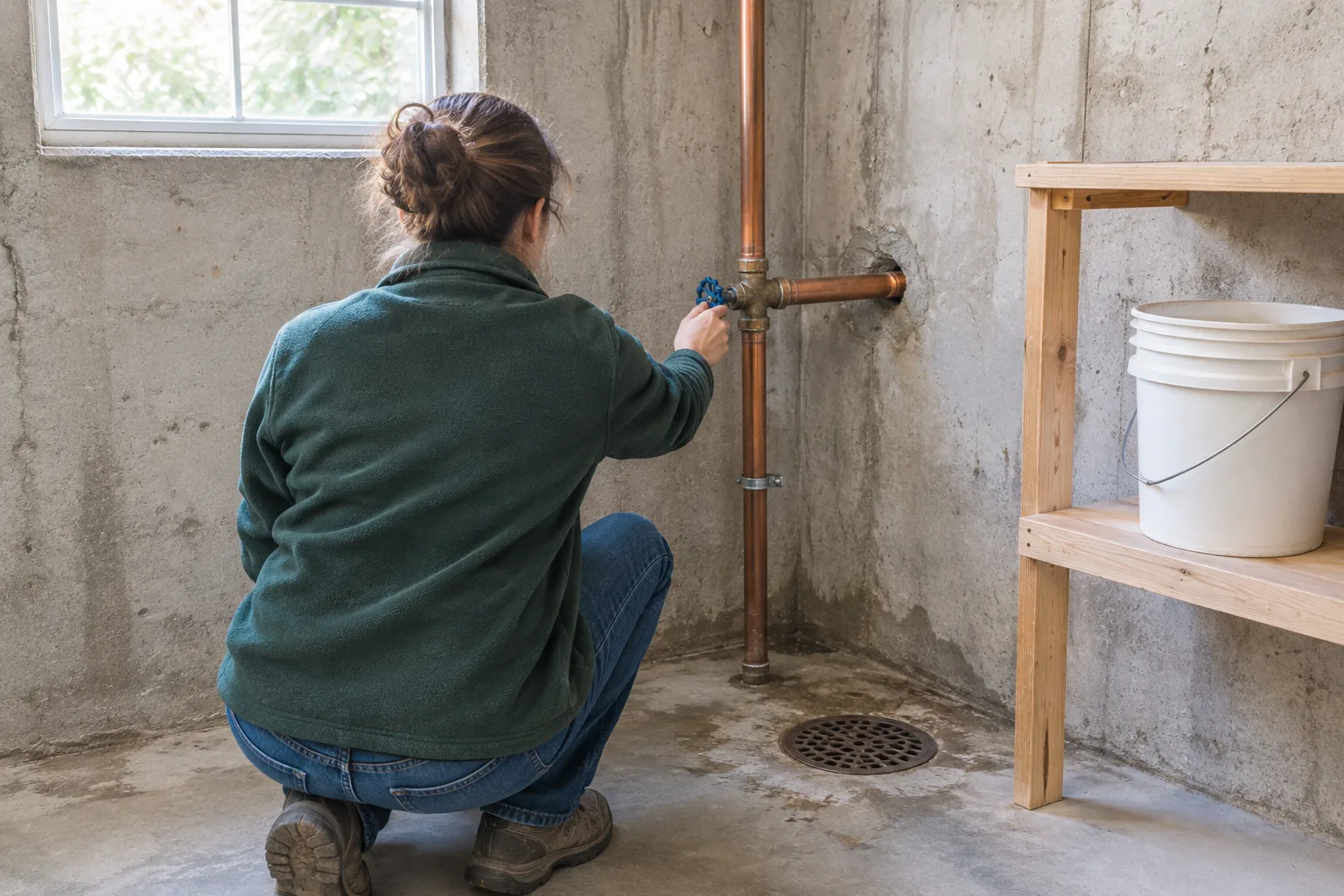
Sizing starts with a hardness number, reported in grains per gallon (gpg). Get it from a hardness strip kit, a lab report, or the annual water quality report your utility publishes. City reports describe the supply; if you are on a private well, use a strip kit or lab report from your own tap.
Take the reading at a cold tap before any existing filter. Also note whether your water has iron, sediment or chlorine, because these affect which add-ons you need and are not handled by every softener.
How to size a softener for your household
Salt-based units are sized by grain capacity, the amount of hardness a resin tank can hold before it needs to regenerate. The worksheet is short:
- Count the people in the home.
- Multiply by an estimated daily gallons per person. This guide uses 60 gallons as an example; adjust it to your own habits.
- Multiply by your hardness in gpg to get grains per day.
- Multiply by the number of days you want between regenerations.
- Choose a capacity at or above that total.
Worked example: 4 people × 60 gallons = 240 gallons a day. At 10 gpg, that is 2,400 grains a day, or 16,800 grains over a week. A unit with 24,000 grains of capacity would cover a weekly cycle with room to spare.
| Household | Daily water (example) | Hardness | Grains per day |
|---|---|---|---|
| 2 people | 120 gallons | 7 gpg | 840 |
| 4 people | 240 gallons | 10 gpg | 2,400 |
| 5 people | 300 gallons | 15 gpg | 4,500 |
If your water carries dissolved iron, some manuals tell you to add to the hardness figure before sizing. Check the manual of the unit you are considering. A metered valve regenerates by water used instead of by the calendar, which suits households whose use varies.
Also match pipe size and flow. Check that the unit's connections fit your main line and that the flow figures in the manual cover your busiest moments, such as a shower running while the dishwasher fills.
Salt-based vs salt-free water softeners
The two types solve related problems in different ways. Salt-based systems use an ion-exchange resin bed that holds hardness minerals, then flush them out during regeneration with brine. Salt-free systems do not exchange minerals; they focus on scale and need no brine tank or drain line.
| Feature | Salt-based | Salt-free |
|---|---|---|
| How it works | Resin exchanges hardness minerals; brine recharges it | Scale-focused unit on the main line, no brine |
| Sizing | By grain capacity and hardness | By pipe size and connection type; check the manual |
| Drain needed | Yes, for regeneration wastewater | No wastewater from a brine cycle |
| Salt refills | Yes | None |
| Power | Check the manual for the control valve | Check the product page |
| Upkeep | Salt, resin, brine tank, bypass valve | Fittings and housing checks |
If you want water with the minerals exchanged out, a salt-based system is the match. If you want a scale-focused setup without hauling salt or running a drain, a salt-free unit fits that goal.
A salt-free option for the main line
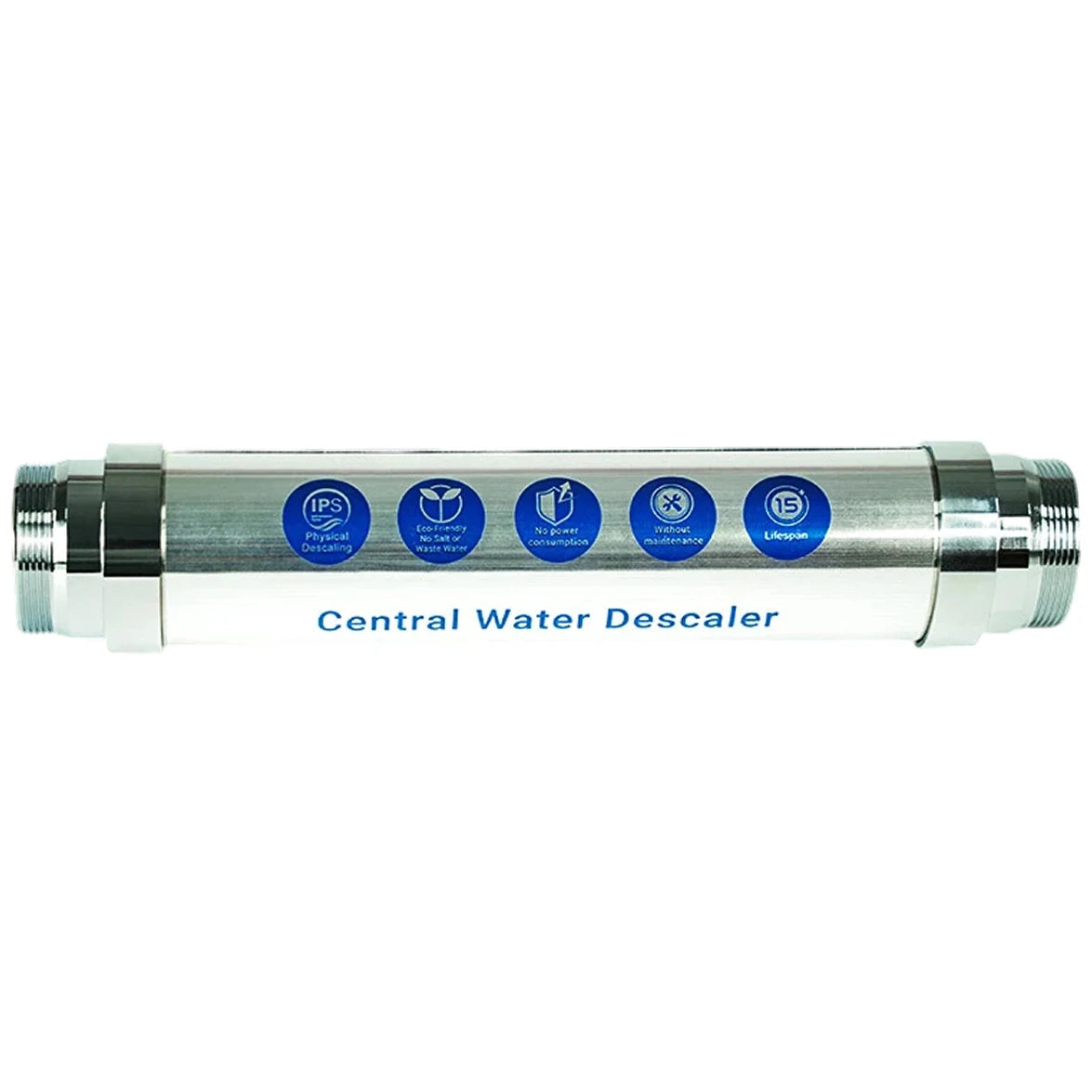
The Renovex is a salt-free water softening unit that mounts on a home's main water line. A magnetic core sits inside a stainless steel body, and water flows through the core on its way into the house. Because it uses a magnetic core instead of salt, there are no salt bags to buy and no salt tank to top up.
It connects to copper, PVC or CPVC pipe, with adapters for PEX. The box holds the stainless steel unit, mounting hardware, pipe adapters and a Professional Installation Guide. Mounting on the main line means one install covers the house. If you are not comfortable cutting into pipe, hire a licensed plumber.
 In this guideRenovex$139.99View
Upkeep schedule for each type
Salt-based systems
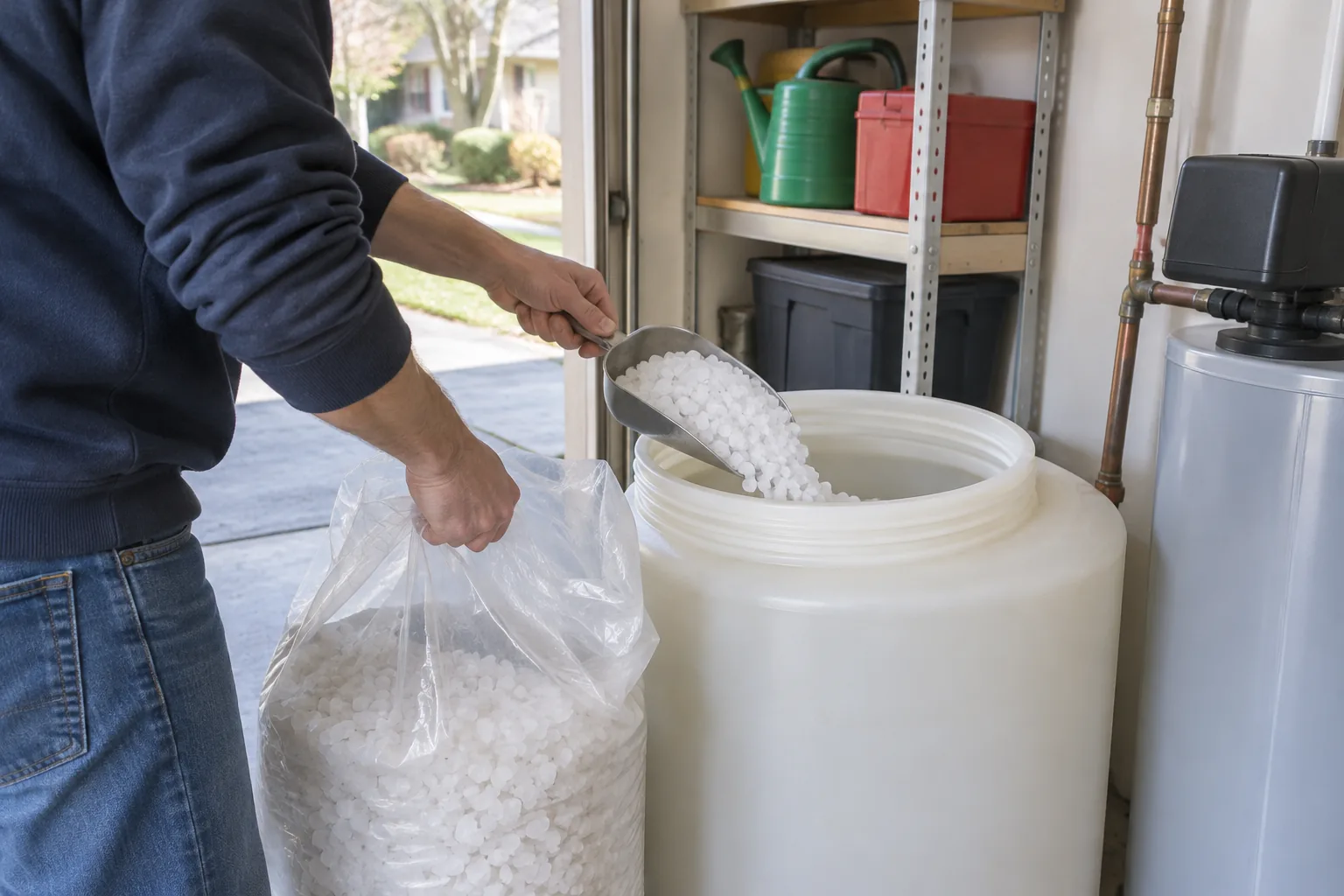
- Check the brine tank on a regular schedule and add salt when the level drops, as the manual lists.
- Break up any salt crust or bridge in the tank, following the manual.
- Clean the brine tank and replace resin when the manual calls for it.
- Know where the bypass valve is so you can route water around the unit during service.
- Look over the drain line for kinks or leaks.
Salt-free units
- Look over fittings and the housing for drips after install and at regular intervals.
- Keep the mounting hardware snug and the unit supported.
- Follow the installation guide and manual for any other care.
Whichever type you own, put a water leak detector near the unit; that article covers types and where to place them. Turn off the water and follow the manual before opening any fitting.
Well water, filtration and cost
Softeners can be used on well water, but a well reading often includes iron, sediment or other items a softener does not address alone. Check your water with a lab report first, then add a sediment filter or other filtration ahead of the softener if the results call for it. A combined softener and filtration setup is one plan for whole-house needs; chlorine and sediment filters are separate stages from softening.
Cost depends on the type, capacity, filtration stages and whether a plumber installs it. Salt-based systems add ongoing salt, while salt-free units skip that. Get written quotes from a licensed plumber for a well or a complex install. Browse our water softener collection for units and hardness kits.
Field note
Write down your hardness in gpg, your pipe material and pipe diameter, and the location of your nearest drain before you compare units. Those four details shape the fit.
Common mistakes when choosing
- Sizing from the number of bedrooms instead of actual water use and hardness.
- Skipping the hardness reading and guessing.
- Buying a salt-based unit with no drain nearby.
- Forgetting the bypass valve or shutoff access.
- Expecting one device to handle iron, sediment, chlorine and hardness together.
- Ignoring the pipe type, which decides which connections or adapters you need.
Match the system to the problem you measured, and water softener systems for home will fit your plumbing and your routine.