Watering and Irrigation Systems: Types and How to Choose One
Watering and irrigation systems come down to four methods plus a timer or controller. Match the method to your plants and the controller to your number of zones.
The Cobalt Hollow Team
October 26, 2026 · 7 min read · Updated October 28, 2026
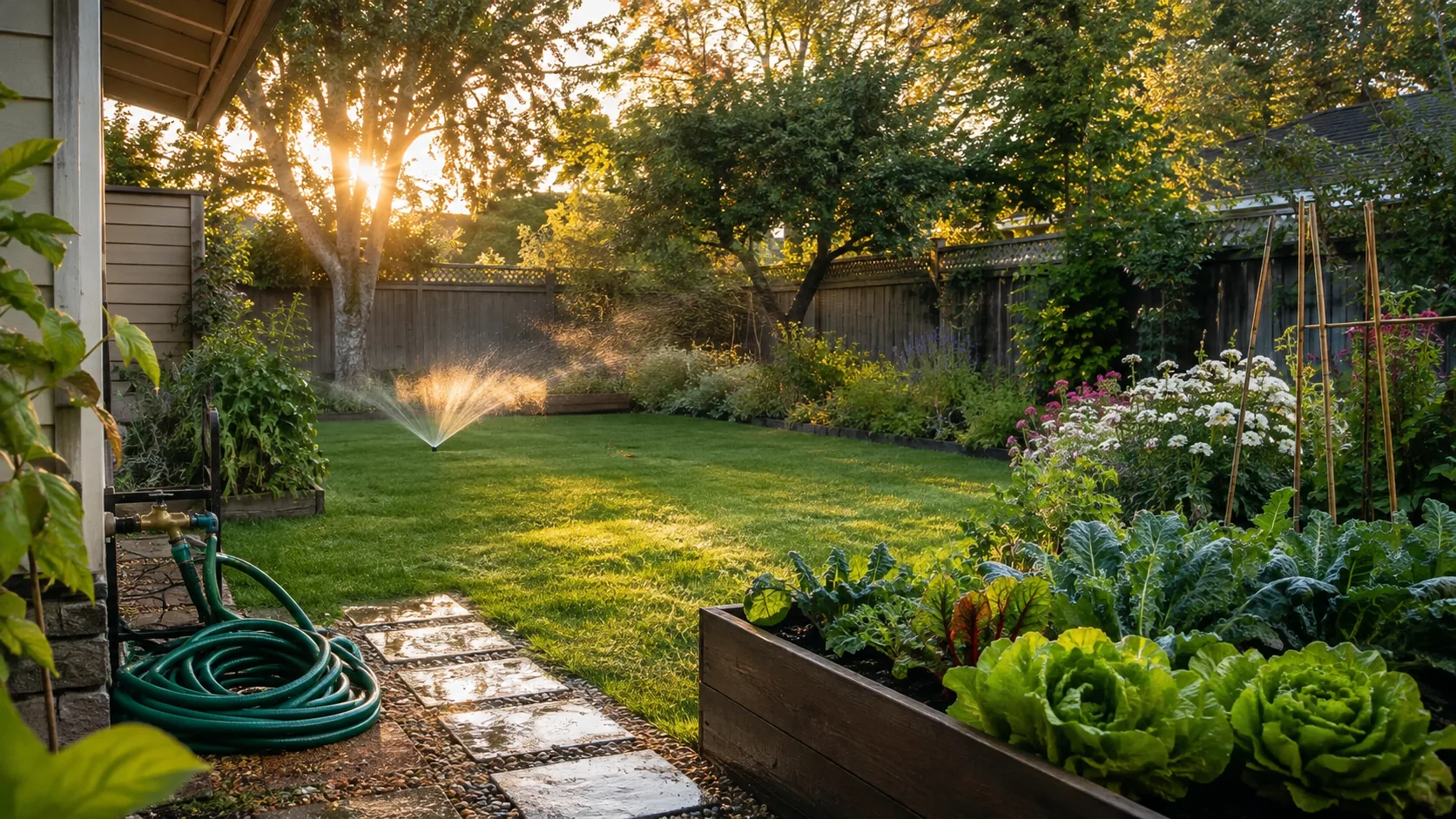
Watering and irrigation systems fall into four groups: hand watering with a can or hose, soaker hoses, drip lines, and sprinklers. A timer or controller can then run any of them on a schedule. Choose the method by what you grow, and choose the timer by how many separate areas you need to water.
This guide compares each type by yard size and effort, shows where hose timers and smart controllers fit, and ends with a setup checklist and the mistakes to avoid.
The main types of watering and irrigation systems
Each type delivers water differently, and that decides which plants it suits. Lawns need broad coverage. Vegetable rows and shrubs need water at the roots. Containers need small, controlled amounts.
| Type | Where it fits | Setup effort | Day-to-day effort |
|---|---|---|---|
| Hand watering (can or hose) | Containers, patios, a few young plants | None | High, you do every watering |
| Hose-end sprinkler | Small lawn patches | Low, you move it by hand | Moderate unless paired with a timer |
| Soaker hose | Straight beds and garden rows | Low to moderate, lay it along the row | Low with a timer |
| Drip irrigation | Beds, shrubs, rows, containers | Moderate, tubing, emitters and fittings | Low, with occasional checks |
| Spray heads and rotating nozzles | Lawns and large planted areas | High, buried lines and valves | Low with a controller |
Hand watering and hose-end sprinklers
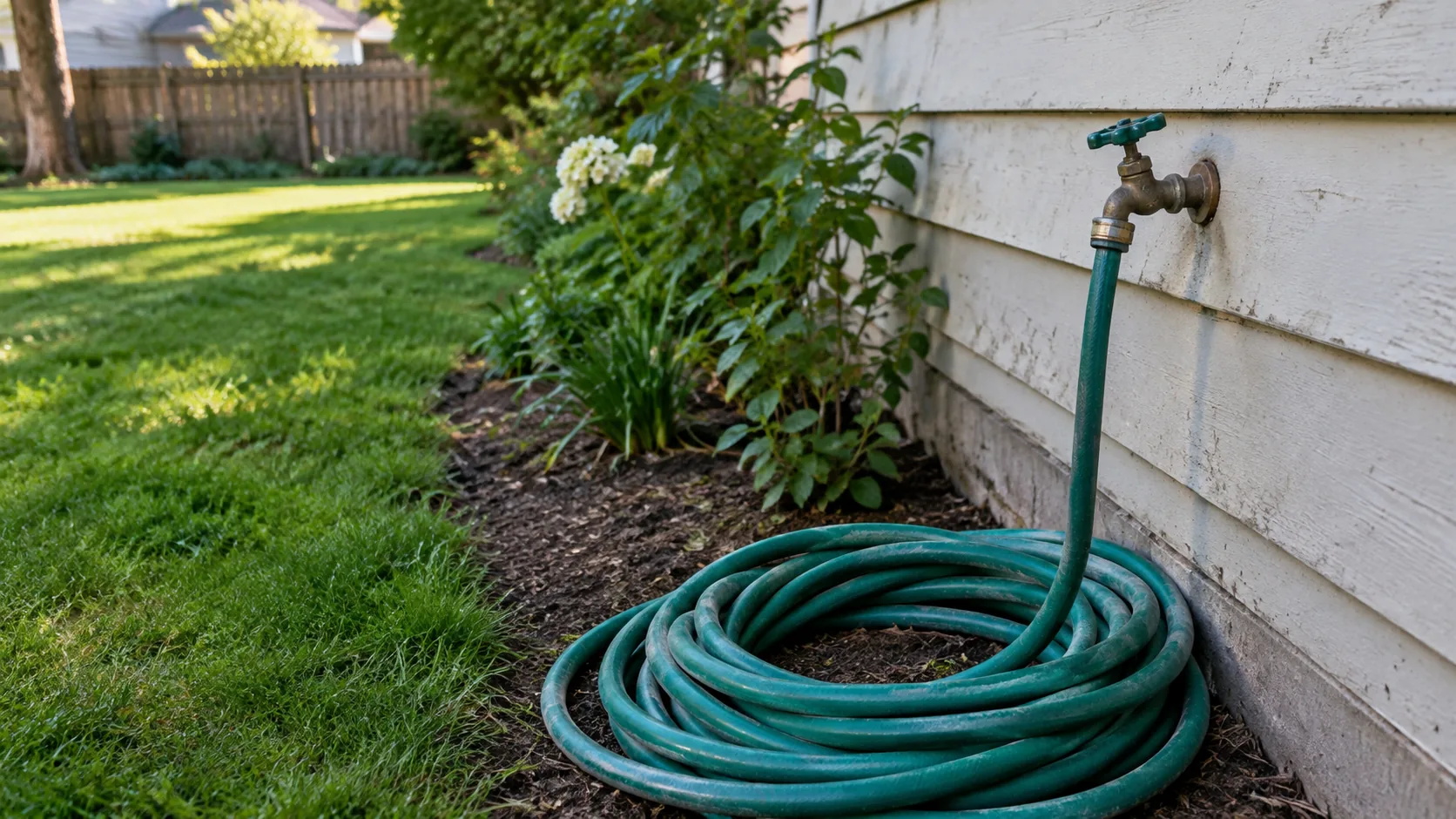
A watering can or hose gives you full control and costs nothing to set up. The trade-off is time, since every watering depends on you being home. A hose-end sprinkler covers a lawn patch, but you place it and turn the faucet on and off yourself.
Soaker hoses
A soaker hose is a porous hose laid along a bed that lets water seep out along its length. It suits straight runs and raised beds. On long or sloped runs, water may not reach every plant evenly, so check the far end of the hose.
Drip irrigation
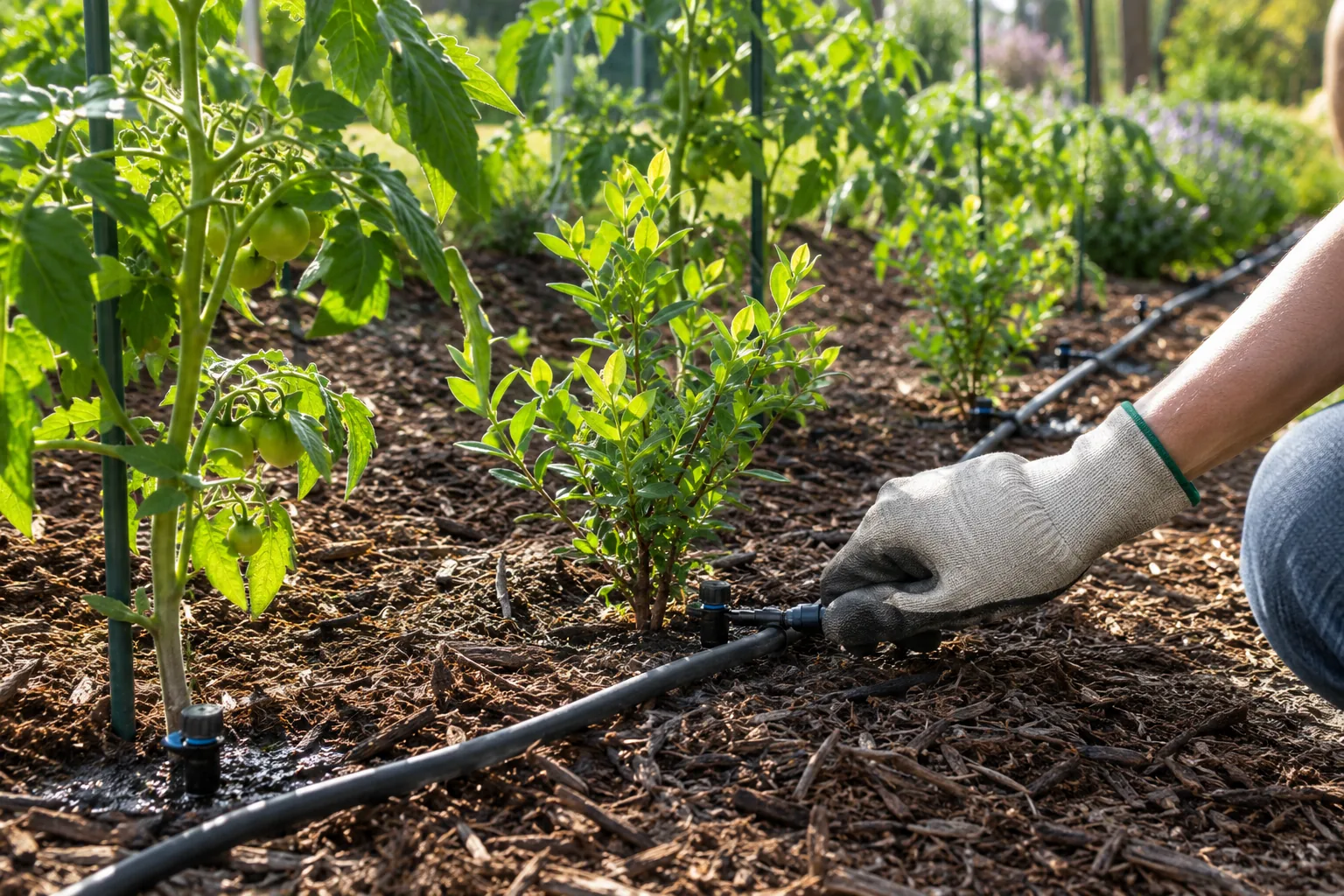
Drip lines place water at the base of each plant through emitters or small tubing. This is why drip appeals to gardeners who want to water slowly at the roots and keep foliage dry. It suits vegetable beds, shrubs, hedges, and pots.
Sprinkler spray systems
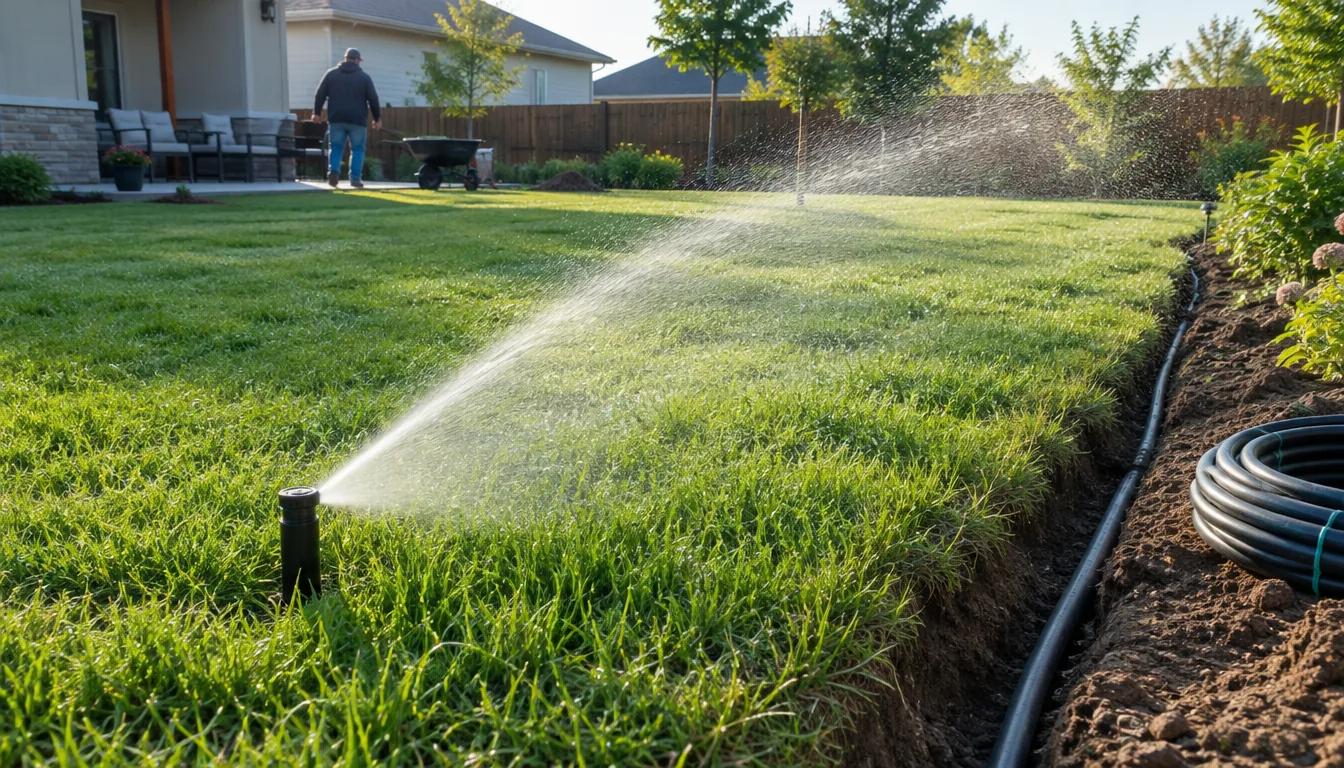
Spray heads and multi-stream rotating nozzles are the standard choice for lawns. They sit on buried lines fed by valves, and a controller opens each valve in turn. Installation involves trenching, buried lines and valves, so plan for it.
How to choose by yard size and effort
Start with the number of areas that need different amounts of water. A lawn, a flower bed and a vegetable patch rarely want the same schedule. Each area that needs its own schedule is a zone.
| Your yard | Method | Timer or controller |
|---|---|---|
| A few pots, one bed, one faucet | Hand watering, drip or soaker | Single-zone hose timer |
| Lawn plus beds, no buried valves | Hose-end sprinkler plus drip or soaker | Two-zone faucet controller |
| Large yard or existing buried sprinkler valves | Spray heads, rotating nozzles, drip zones | Multi-zone controller wired to the valves |
Be honest about your effort budget. If you enjoy a morning round with the hose, a can is enough. If you travel or forget, an automatic watering system for the garden lets a schedule handle the daily task.
Hose and timer setups for small gardens
A garden hose timer is a low-effort way to automate. It sits between the outdoor faucet and the hose, so it works with a hose-end sprinkler, a soaker hose, or a drip kit fed from the hose. There is no digging and no wiring.
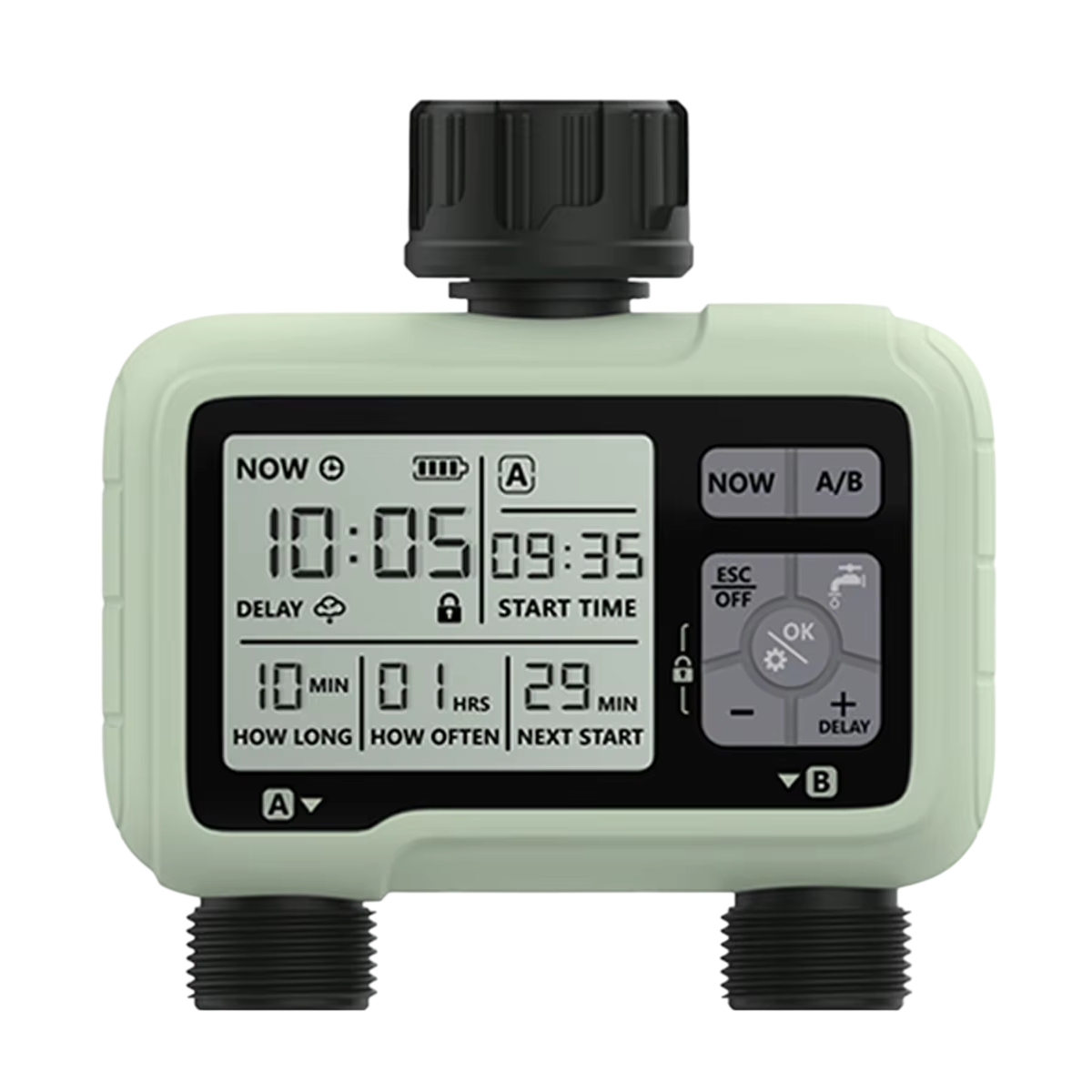
HydroTempo is a hose timer that threads onto a standard hose connection by hand. You program it on its LCD display with the buttons, with one plan for weekdays and another for weekends. A manual override button opens the water outside your program, and the saved schedule stays stored in the timer.
Each unit controls one watering zone. If you have several hoses or faucets to schedule, you can fit one unit to each.
 In this guideHydroTempo$59.99View
Drip and soaker lines: setup and the main downside
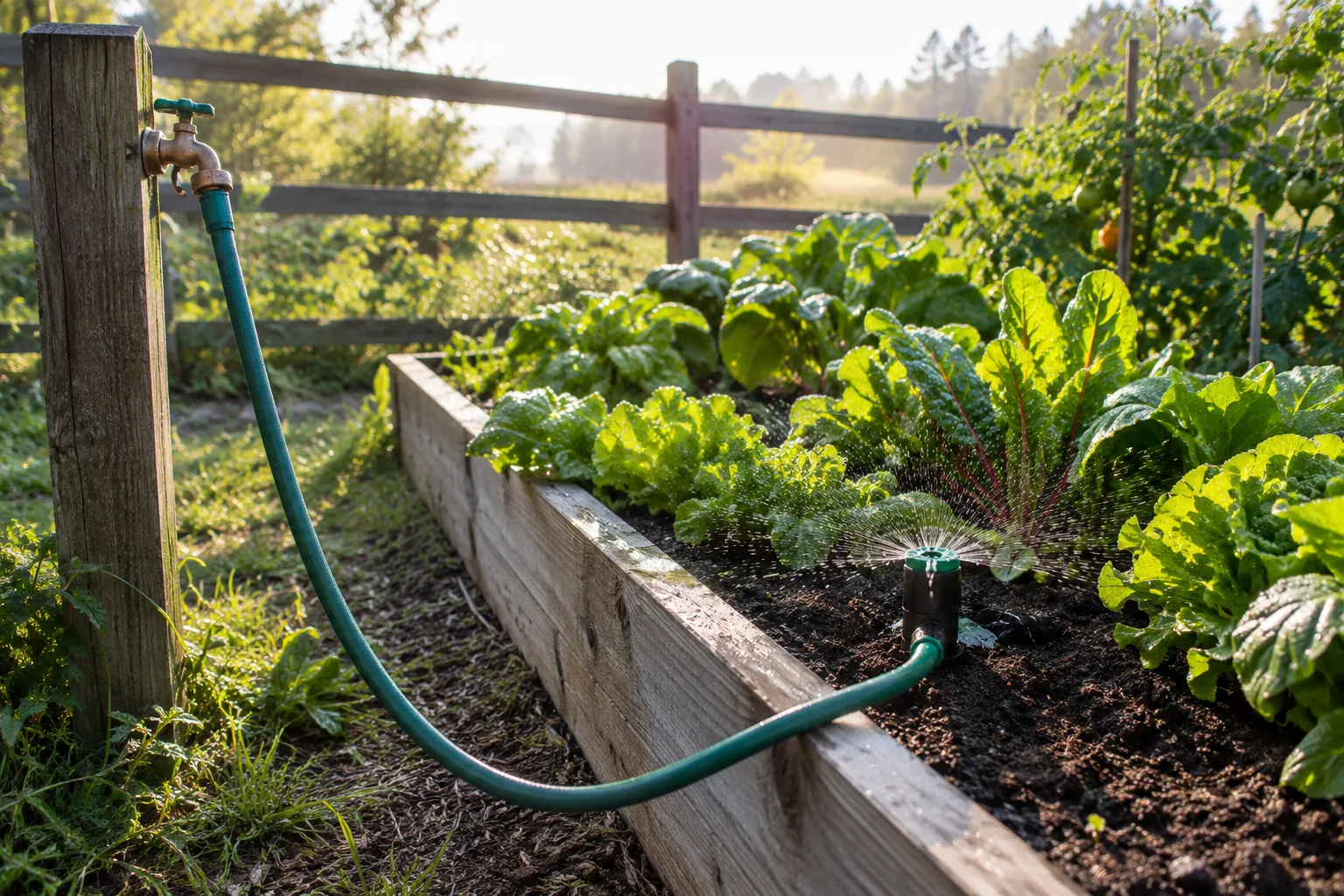
Drip and soaker lines suit a regular layout. Run the main line along the bed, connect emitters or branch tubing at each plant, and flush the line before closing the ends. Add a hose timer at the faucet to run the schedule.
The main downside of drip irrigation is upkeep. Emitters can clog with sediment or mineral buildup, and exposed tubing can be damaged by string trimmers, digging, or animals. A leak or a blocked emitter may go unnoticed because the water is hidden under mulch, so walk the lines and check each plant now and then.
Soil matters too. Clay soil absorbs water slowly, so long, low-volume runs suit it, while a heavy soak can pool and run off. Sandy soil drains fast and may need more frequent, shorter cycles. For container crops, see our guide to grow bags for sizing and watering tips.
Smart sprinkler controllers for multiple zones
Once you have a lawn and several beds, a sprinkler controller with more than one zone becomes useful. It lets you give the lawn, flower beds and vegetables separate start times and days. The three controllers we stock differ in how you program them and how many zones they handle.
| Feature | HydroTempo | GardenPulse Pro | AquiLogic |
|---|---|---|---|
| Zones | 1 | 2 | 8 |
| Programming | LCD display and buttons | Rotary dial and display | Companion app |
| Power | — | Battery powered | Comes with a power cable |
| Connects to | Faucet and hose | Outdoor faucet | Your existing sprinkler valves |
| Weather feature | Manual override | Rain delay, one to seven days | Reads forecast data over WiFi |
Two zones at the faucet
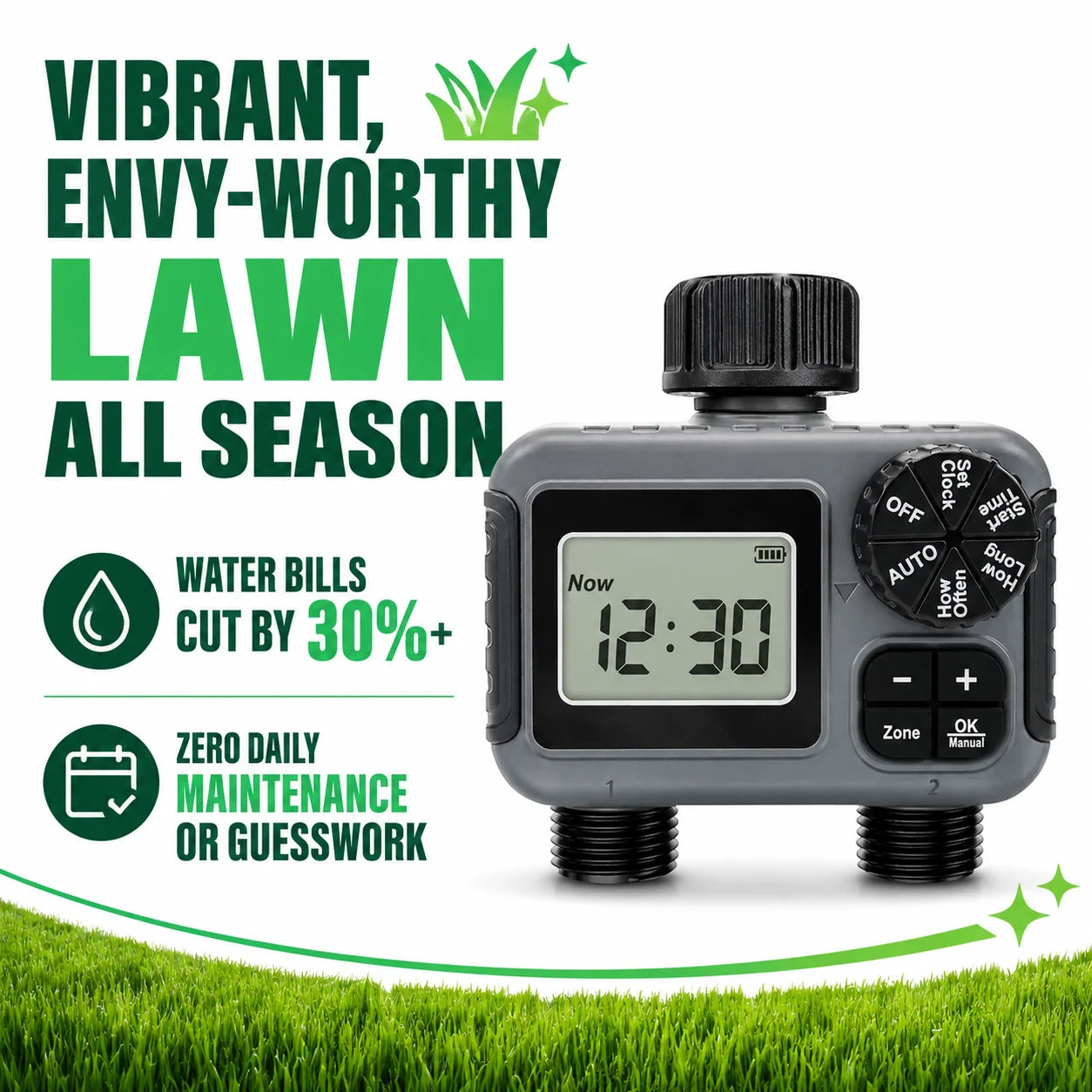
GardenPulse Pro attaches to an outdoor faucet and gives you two independent zones, so lawn and flower beds can follow different programs. You set start times and days for each zone on the device. When wet weather arrives, hold the plus button and choose a pause of one to seven days, and the program resumes afterward. It does not use Wi-Fi or an app.
 In this guideGardenPulse Pro$79.99View
Eight zones with a WiFi controller
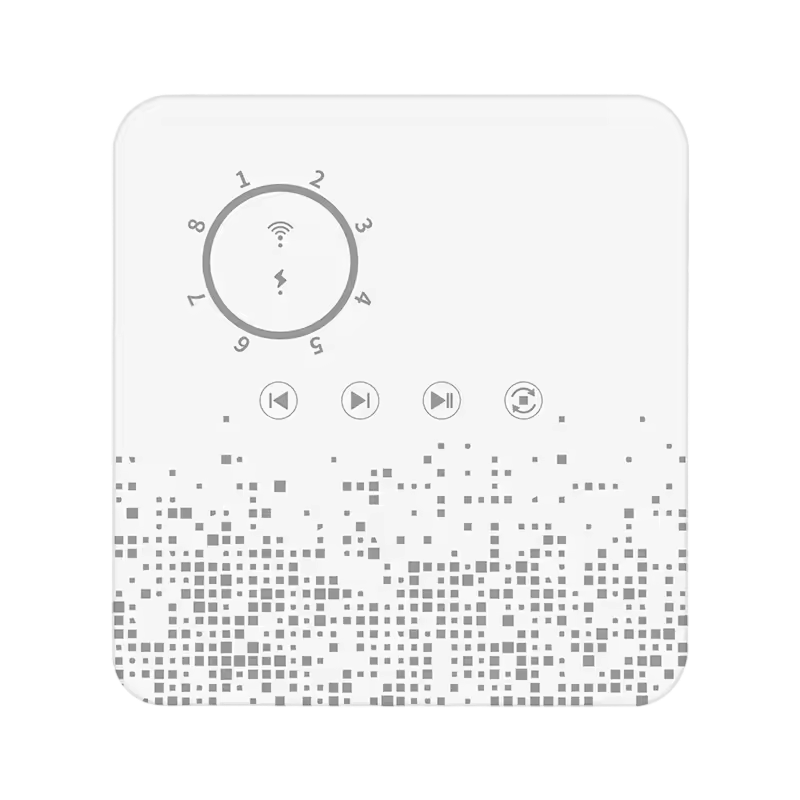
AquiLogic is a WiFi sprinkler controller that takes the place of a standard residential irrigation controller. You build schedules for its 8 zones in the companion app, entering plant type, soil and sun exposure for each zone. It reads local forecast data over your home WiFi and can hold or trim a scheduled cycle when rain, snow or strong wind is in the forecast.
The app lets you start a cycle, edit a schedule or check status from your phone, and the controller can be linked to common voice assistants. Schedules are also kept in its own memory if the WiFi drops. Turn off power at the breaker and follow the manual when you swap the wiring, and ask an electrician if you are unsure.
 In this guideAquiLogic$139.99View
Field note
Water in the early morning and group plants with similar needs into the same zone. A zone that mixes thirsty vegetables with established shrubs may overwater one of them.
Setup checklist and common mistakes
Use this order whether you are adding a hose timer or a full controller:
- Sketch your yard and mark each area by plant type and sun exposure.
- Group areas into zones that can share a schedule.
- Choose the delivery method for each zone: drip or soaker for beds, spray heads or rotating nozzles for lawn.
- Match the controller to your zone count, with one hose timer per faucet or a multi-zone controller.
- Check the faucet or valve threads, and use any adapters or thread seal tape the controller includes.
- Program the schedule, run a manual cycle, and walk the yard to look for leaks, dry spots and puddles.
- Adjust with the seasons, and check batteries or connections before the growing season starts.
Mistakes to avoid
- Putting lawn and vegetable beds on one schedule.
- Watering in short daily bursts that wet only the surface instead of the root zone.
- Skipping a rain delay or manual pause when the weather turns wet.
- Forgetting to flush drip lines and clean filters or screens.
- Ignoring backflow. Plumbing codes often require a backflow preventer on irrigation connected to household water, so check local rules or ask a licensed plumber.
For a full range of timers and controllers, browse our Watering & Irrigation collection.
What a new irrigation system costs
The total depends on the number of zones, the length of tubing or pipe, whether you dig trenches, and whether you install it yourself or hire a contractor. A hose timer with drip line is a small project. A buried spray system with valves and a multi-zone controller is a large one. Get a written quote from a local installer if you are not doing the work yourself.