What Is a Bug Zapper? How It Works and Where to Place One
A bug zapper uses UV light to draw flying insects to a grid. Here is which insects it catches, where it falls short, and how to place one.
The Cobalt Hollow Team
November 11, 2026 · 7 min read

What is a bug zapper? It is an electric trap that draws flying insects with ultraviolet (UV) light and brings them into contact with a metal grid. It suits insects that respond to light, such as moths, gnats and flies, and it is a weak match for biting mosquitoes, which find people by other cues.
Whether one is worth setting up depends on which insects bother you and where you put it. This guide explains the parts, the insects involved, the limits, and a placement checklist.
What is a bug zapper made of: UV light and the grid
Every zapper has the same three parts: a light source, a grid, and a way to collect or drop what reaches it. The design is the same whether it is sold as an insect zapper, a bug lamp or a mosquito zapper (bug zapper).
- The unit gives off UV light, which many night-flying insects are drawn toward.
- Insects fly toward the glow and reach the grid around the light.
- On classic high-voltage models, contact with the charged grid ends the insect's flight.
- The remains fall into a tray or onto the ground below.
Other designs hold insects in differently. The PhotonSentry, for example, has a protective grid around its light, and insects collect in a removable tray below it. Check your manual for how your unit handles the grid and tray, and unplug or switch it off before any cleaning.
Why UV light
Many insects see into the ultraviolet range, and flying insects that are active after dark tend to head toward bright light. A zapper turns that habit into a lure. The light competes with every other light nearby, so a zapper in a lit area draws less attention than one in a dark corner.
Which insects get zapped
A zapper catches what the light attracts, not necessarily what bites you. The table shows how common backyard insects line up with the design.
| Insect | Drawn to UV light? | Notes |
|---|---|---|
| Moths | Yes | Active at night, often circle lights |
| Gnats and midges | Yes | Small, often found near water or plants |
| Flies | Yes | The glow stands out more in dim indoor spaces |
| Beetles | Some | Night-flying types come to lights |
| Mosquitoes | Weakly | Follow breath, body heat and scent |
| Bees and wasps | Mostly no | Active in daylight, not night foragers |
That mix is why a zapper can fill its tray while you still get bitten. Many of the insects it catches do not bite at all.
Why mosquitoes and bees mostly don't get zapped
Mosquitoes
Biting mosquitoes look for hosts. They follow carbon dioxide from breath, body heat and skin odors, and light plays a smaller part. A UV light alone does not outcompete a person sitting nearby, so you can be bitten with a zapper glowing a few feet away.
Some units are sold for mosquitoes anyway. The PhotonSentry product page lists mosquitoes along with moths and gnats among the flying insects its 365nm UV light draws. Treat any zapper as one layer, and pair it with standing-water control and fans.
Bees
Bees are active in daylight and mostly rest at night, when a zapper does its work. A unit left on during the day might still draw some, so switch it on at dusk and keep it away from flowering plants and hives. A night-only schedule keeps the light off while bees are active.
Where a bug zapper fails
These are the situations where a zapper disappoints, and they explain why some people moved away from them.
- It catches many non-biting insects, so the tray looks full while mosquitoes remain.
- It covers only the area around the light, not a whole yard.
- Competing lights, such as porch lamps and pool lights, pull insects elsewhere.
- Debris below a bare grid and the sound of it bother some people, so some choose enclosed designs with a tray.
- A dirty grid or tray weakens how the unit draws and holds insects.
So, is there a bug zapper that really works? It does what its design says: it draws insects that respond to UV light, when it is placed well and kept clean. For mosquitoes alone, expect partial results and add other steps.
Where to place a bug zapper so it works
Placement matters more than any feature. The goal is to put the light between the insects and you, not next to your seat.
Placement checklist
- Set it well away from where you sit, toward the yard edge on the side where insects arrive, such as near shrubs or a pond. Follow any distance in your unit's manual.
- Keep it at roughly head height or a little above, away from walls that block the glow.
- Turn off or dim nearby lights so the UV light is the brightest source.
- Keep it out of reach of children and pets, and away from flammable material such as dry leaves or curtains.
- Run it at dusk and after dark, and switch it off at sunrise to keep the light off while bees are active.
- Do not place it above a table where food is served.

Outdoor and indoor options
Where you use it changes the type you need. A bug zapper outdoors benefits from a portable unit that does not depend on a cord, and indoors a small unit near a window or doorway fits.
The PhotonSentry is a portable bug zapper with a 365nm UV light, a protective grid and a removable insect tray. Its built-in battery charges by USB-C or solar panel, so it works as a solar bug zapper when you leave the panel in daylight outdoors. It also has a flashlight mode and an ambient light mode, so it can sit on a patio table or at a campsite. A cleaning brush comes with it for the grid and tray.
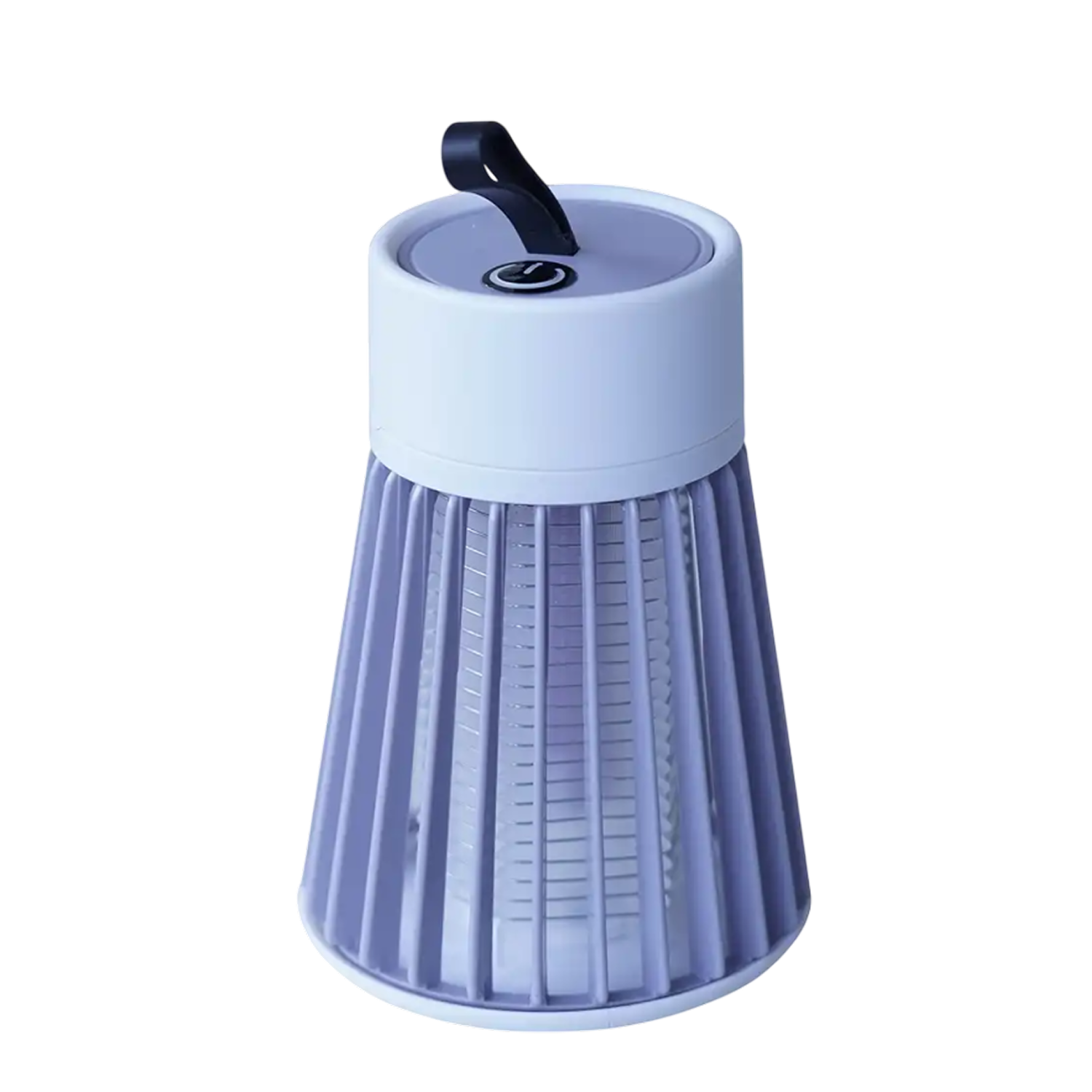 In this guidePhotonSentry$59.99View
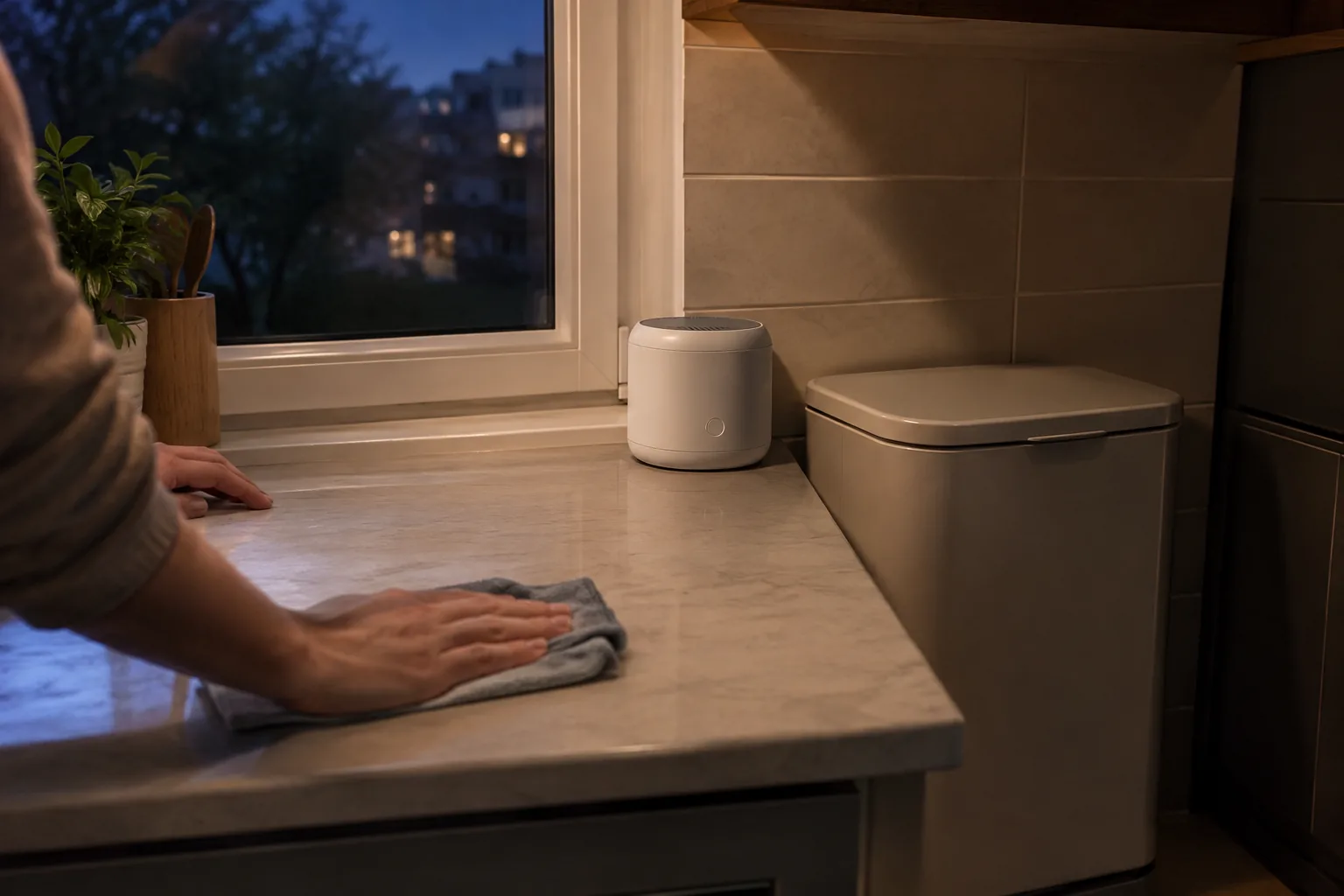
For rooms, the VexaGlow pairs a UV light with a high-voltage grid and is powered over USB from a wall adapter, power bank or laptop. Its slim body fits in a bag for travel. Set it in a dim spot, such as near a window, doorway or dark corner, since the UV glow stands out more against dim surroundings. Keep it out of reach of children and pets.
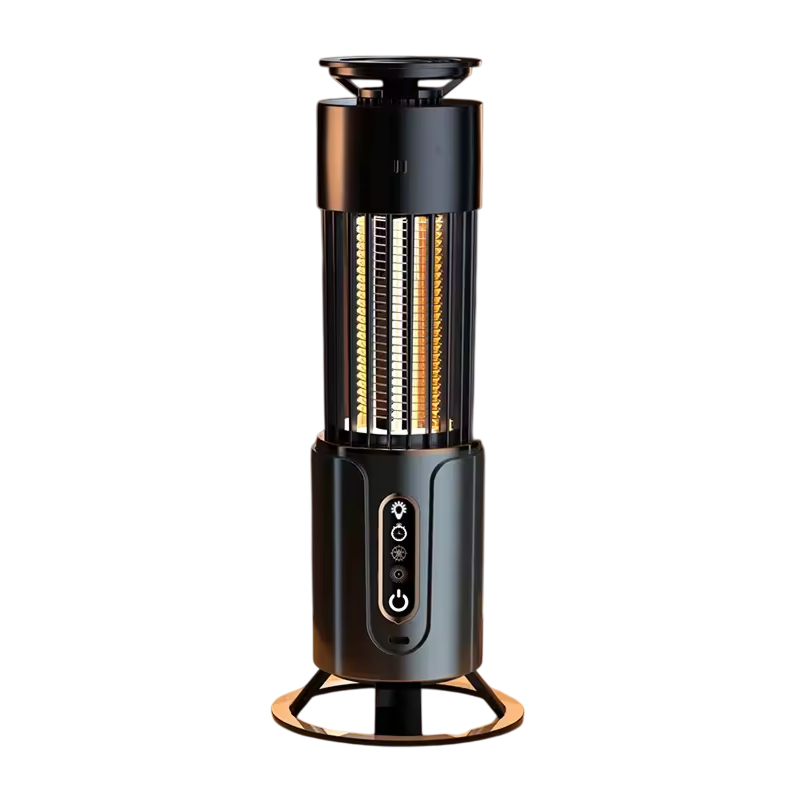 In this guideVexaGlow$79.99View
Why your bug zapper is not attracting flies
If the tray stays empty, work through this table before you replace the unit.
| Problem | What to check |
|---|---|
| Too much competing light | Turn off nearby lamps or move the unit to a darker spot |
| Wrong time of day | Run it at dusk and after dark, when UV stands out |
| Dirty grid or tray | Unplug or switch off, then clean with the supplied brush |
| Low battery or loose cable | Recharge the built-in battery or check the USB connection |
| Wrong insect | Flies follow food odors, so check trash and pet food areas |
| Poor position | Move it toward the insect entry point, not beside your seat |
Flies often follow what they can eat as much as light. Close trash lids and rinse out bins, and the zapper has less to compete with.
Field note
Switch the zapper on at dusk and off at sunrise. A night-only schedule matches when moths and gnats fly and keeps the light off during the hours bees are active.
Care, safety and a basic schedule
A zapper with a charged grid calls for the same caution as any electrical device. Follow the manual, unplug or switch off before you touch the grid, and keep the unit dry and out of reach of children and pets.
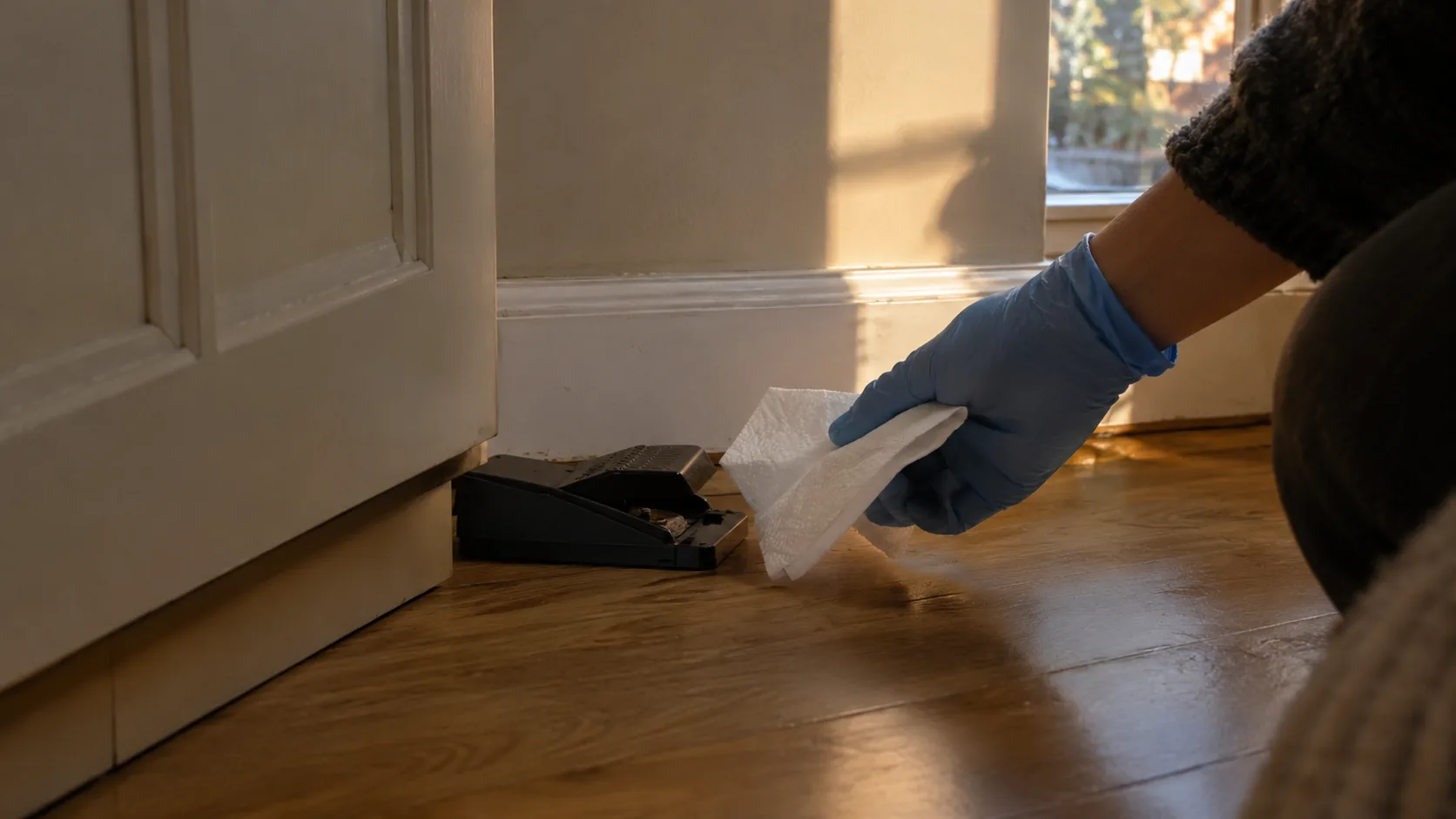
- Each week: switch the unit off, empty the tray and brush off the grid.
- After rain or heavy dew: dry the outside and check the cable or port.
- At season end: clean it fully and store it indoors.
Pair the light with other steps. Empty standing water from buckets and planters, run a fan on the patio, and browse the Poultry, Coop & Pest Control collection for other yard tools. If birds are also after your garden, Bird Netting for a Garden: Mesh Size and How to Install It covers mesh size and installation.
Decision guide
| Your situation | What to look for |
|---|---|
| Moths and gnats around a patio | Portable UV unit, placed at the yard edge |
| Flies in a kitchen or living room | Indoor trap in a dim spot, plus clean bins |
| Mostly mosquito bites | Zapper as one layer, plus water control and fans |
| Camping or travel | Portable, battery or USB-powered unit |